The Immediate Shift to Sight Driving
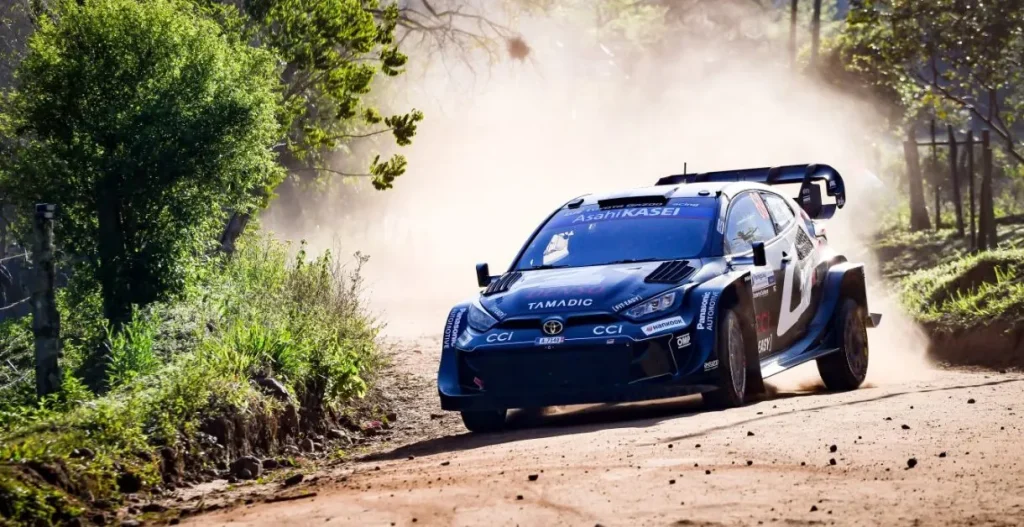
In world-level rallying, high commitment over crests and through blind corners relies completely on continuous instructions delivered from the right-hand seat. When an issue like WRC lost pace notes occurs, whether caused by a dropped notebook or gaps in information, the dynamic inside the car changes instantly from anticipation to visual reaction.
Without descriptive calls outlining the severity of upcoming turns, the driver has to brake earlier, scan the road ahead purely by sight, and sacrifice competitive stage times to avoid severe incidents until notes can be resumed.
Physical Dislodgements and In-Car Recovery
The violent impacts typical of rough gravel events can physically break a co-driver's hold on their notes. On the opening Cambyretá stage of Rally del Paraguay, M-Sport Ford driver Josh McErlean experienced this when co-driver Eoin Treacy lost his grip on the pacenote book following a harsh landing over a jump.
The impact momentarily disoriented McErlean, leaving the car covering approximately 400 metres toward an upcoming junction without any notes being called. The straight distance before the junction gave the crew just enough time to reset and negotiate the corner safely.
Reconnaissance Speed Limits and Missing Detail
Notes can also fall short because of limitations during pre-event reconnaissance. During the 2022 edition of Rally Japan, Thierry Neuville highlighted on the Shinshiro City test that mandatory low recce speeds, such as a 60 km/h cap, make drafting speed-dependent pacenotes challenging for modern top-tier machinery.
When notes do not match true competition speeds or omit vital warnings, crews face similar penalties. At the 2026 Rally Japan, Takamoto Katsuta dropped 25.9 seconds on the second stage while dealing with incomplete pacenote information following an opening-test tyre puncture.
Official reference: FIA World Rally Championship regulations.



No comments:
Post a Comment