Saturday, 31 October 2026

What Route and Surface Challenge Awaited ERC Drivers at the 2026 Season Finale in Portugal?

Editorial illustration of an abstract motorsport news graphic for ERC: Titles and pride at stake on season showdown

Stage format and regional base

The 2026 European Rally Championship reached its conclusion at Rally 6 Cities North of Portugal on 23–25 October, staging its operations across a specific northern corridor. With headquarters based in Fafe and the ceremonial start and finish hosted in GuimarĂ£es, the gravel itinerary required competitors to tackle 17 stages covering a total of 181.10 competitive kilometres.

Heading into the weekend, the overall championship had already been sealed by Teemu Suninen in September, yet significant positional battles remained across multiple classes. In the fight for overall championship runner-up during the ERC Portugal finale: Mabellini held an eight-point margin over Miko Marczyk while avoiding any requirement to drop scores, facing off across an entry list featuring 31 Rally2 crews.

Surface demands and autumn conditions

Running on gravel late in the autumn brought its own variables to northern Portugal. While not a definitive weather forecast for the weekend, driver assessments noted the general unpredictability of late-October conditions in the region, adding an extra layer of caution for crews managing title stakes.

The gravel test also marked a high-pressure platform for deciding the Junior ERC, ERC4, and teams championships. Opel teammates Timo Schulz and Tom Heindrichs contested both junior-level crowns over the 181.10 kilometres, demanding careful execution across the demanding Portuguese stages rather than outright, unfocused pace.

Official reference: FIA’s event preview.

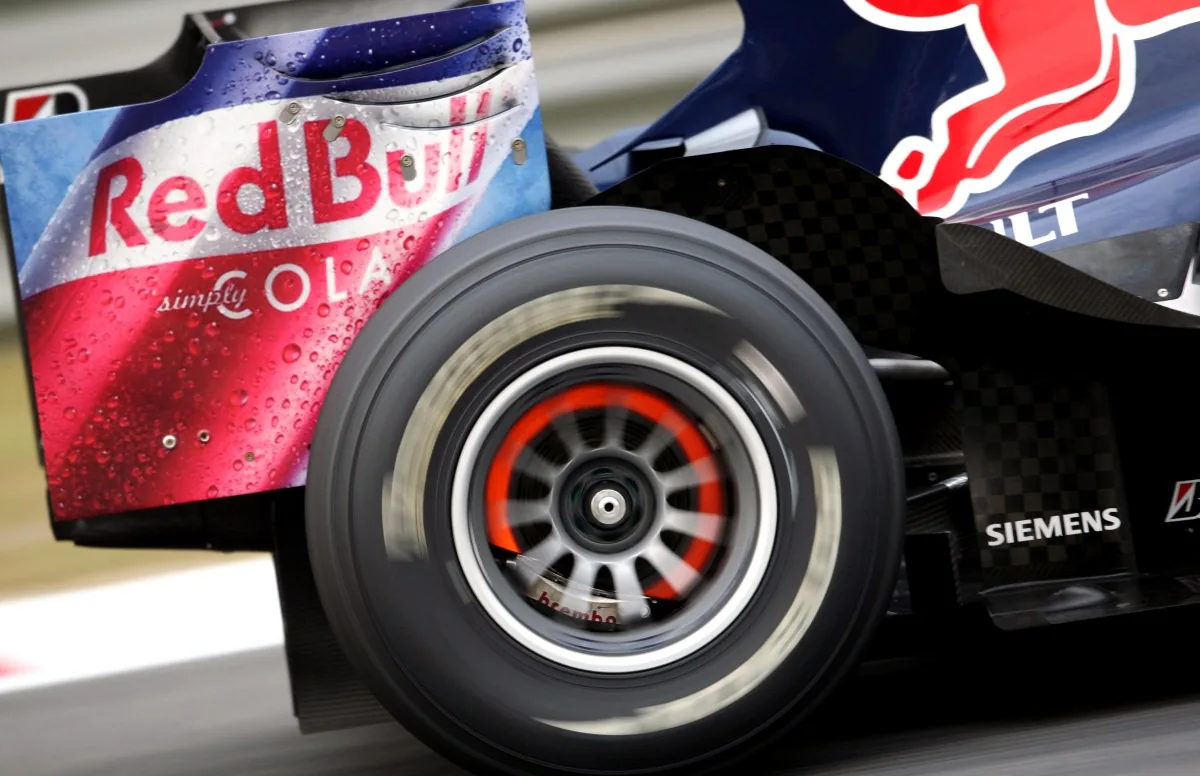
What glowing brake discs reveal about heat management at heavy braking zones

Close-up of a Red Bull-liveried Formula 1 car’s wheel, showing a red-orange glowing brake disc behind the blurred spokes.
Friction and visible thermal radiation

Trackside observers often notice the wheel assemblies lighting up as cars decelerate from high speed into tight corners. Understanding Why F1 brake discs glow red comes down to severe friction between the pads and carbon discs, which generates enough thermal energy for the material itself to emit visible light. While this luminous effect is often easier to spot during twilight or night running, the underlying physical process occurs whenever extreme stopping forces transfer kinetic energy into intense heat.

Operating ranges and structural demands

The temperatures reached under peak deceleration can be substantial. In a January 2014 overview of Formula 1 brake technology, Auto123 noted that carbon disc temperatures could climb past 1,200 degrees Celsius in the most punishing braking events, though that figure reflects extreme peaks rather than a universal requirement for visible light. Endurance racing references from the 24 Hours of Le Mans similarly illustrate that carbon discs can begin displaying a faint red glow around 600 degrees Celsius, becoming noticeably brighter as temperatures pass 1,000 degrees Celsius.

Carbon-carbon composites are selected for these systems because they handle severe thermal gradients, thermal expansion, and repeated heating and cooling cycles across a race stint. At the same time, race brakes do not function efficiently when cold, meaning engineers must balance heat retention against heat rejection.

Ventilation and system preservation

A visible glow does not automatically indicate that a component is failing or in distress. A red disc remains an expected part of hard use as long as operating temperatures stay within designed design boundaries. Ventilation holes drilled through the discs allow trapped thermal energy to escape into passing airflow between deceleration zones.

The real danger arises when heat dissipation cannot keep pace with repetitive heavy stops. Unchecked temperatures running beyond safe thresholds accelerate disc and pad wear while significantly diminishing braking efficiency.

Official reference: Formula 1 official news and results.

Suzuka Deciders: How Back-to-Back Japanese GP Clashes Shaped Title Debates

Three dark helmet symbols numbered 1, 2 and 3 beside the text “Top 10 Most Controversial F1 Drivers of All Time (2025 Edition)” on a cream background.

Championship Tension at Suzuka

The Suzuka Circuit served as the battleground for consecutive title-deciding collisions between Ayrton Senna and Alain Prost in 1989 and 1990. Their clashes at the Japanese Grand Prix turned an already fierce team rivalry into an enduring benchmark for debates regarding driving standards and championship tactics.

While Senna later admitted that the 1990 turn-one collision was deliberate retaliation, the 1989 chicane incident remained entangled in team politics and administrative rulings. Retaining the specific season context of these events illustrates how single-track flashpoints can define broader sporting disputes, an angle central to GamerKoala's retrospective on the Top 10 Most Controversial F1 Drivers of All Time (2025 Edition).

Differing Standards of Controversy

Suzuka also provided the backdrop for a very different form of controversy during the 1976 season finale, where Niki Lauda withdrew from the Japanese Grand Prix after deeming the track conditions too unsafe to race. In contrast to intentional collisions or sporting penalties, Lauda's decision highlighted how safety concerns and driver agency generated intense public and team debates.

Whether through calculated championship collisions like those involving Senna and Prost, or principled withdrawals over driver safety, track-specific decisions at Suzuka have repeatedly challenged regulatory oversight and public perceptions of acceptable competition.

Official reference: Formula 1 official news and results.

Austin Media Schedule: How Circuit Timetables Shape the 2026 United States GP Press Sessions

Editorial illustration of a stylised microphone and speech bubbles for United States GP: Newey, McNish and Budkowski named for Friday press conference

Fitting Team Personnel Between Track Sessions

The track itinerary at the Circuit of the Americas directly dictates how media responsibilities fit into the running day for the 2026 event. Following opening practice from 12:30 to 13:30 local time on Friday 23 October, a one-hour buffer precedes the official team representatives gathering. In the preview published for the United States GP: Newey, McNish and Budkowski are scheduled to appear together from 14:30 to 15:30 Austin time, speaking respectively for Aston Martin, Audi and Cadillac before second practice begins at 16:00.

Formula 1 notes that all timetable listings represent local track time, five hours behind UTC, while remaining subject to change. Inserting the technical and leadership conference neatly into the ninety-minute gap between practice runs allows team personnel to fulfill official media commitments without overlapping track action.

Driver Line-Ups and Results-Based Media Rallies

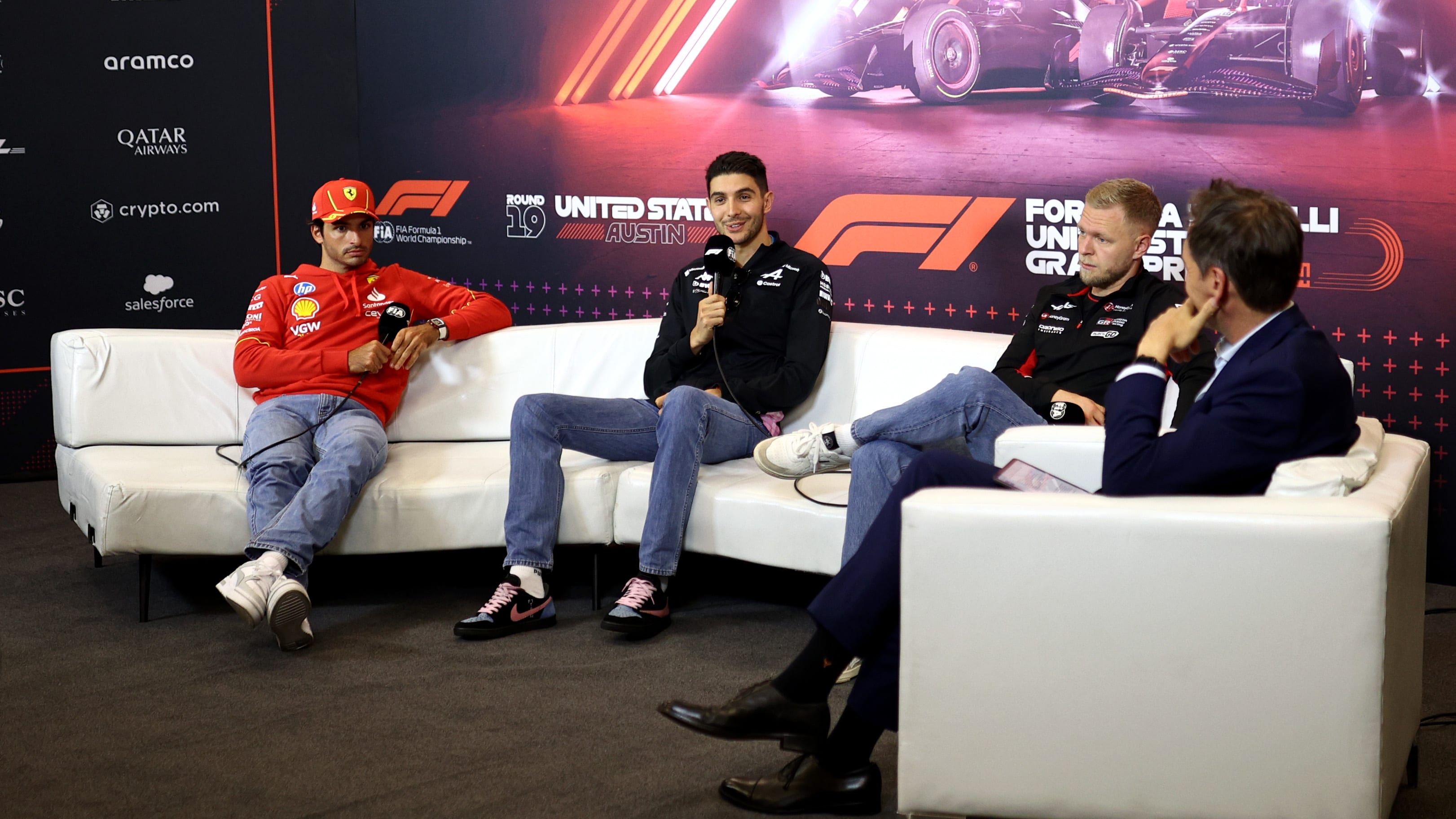
Before cars take to the Austin circuit, driver media duties open the weekend on Thursday 22 October. Six drivers are slated across two published slots at 13:30 and 14:00: Oscar Piastri representing McLaren, Isack Hadjar for Red Bull, Carlos Sainz for Williams, Valtteri Bottas for Cadillac, Lewis Hamilton for Ferrari, and Kimi Antonelli for Mercedes. The published bulletin does not resolve which driver occupies which specific half-hour slot or explicitly designate a timezone for Thursday.

Once competitive running begins, fixed roster announcements end. Saturday qualifying from 16:00 to 17:00 feeds directly into an expected 17:00 to 18:00 media window reserved strictly for the three fastest qualifiers. Following Sunday's 15:00 Grand Prix start, post-race press obligations feature the top three podium finishers, leaving the exact conference start time dependent on the race duration.

Official reference: FIA's announcement, dated 21 October.

How MotoGP Calculates Restarts and Grids After a Red Flag Stoppage

Editorial illustration showing a red flag on a dark pole within a rounded beige panel, with a MotoGP restart rules title to the right.

Lap Count Thresholds for Resuming Action

When track conditions force officials to display a red flag during a Grand Prix, the total laps completed by the race leader determine whether competition resumes. Under the FIM 2026 Grand Prix World Championship Regulations updated in September 2026, the milestone for declaring an official finish is three-quarters of the original distance, rounded down to whole laps. If the leader has reached that mark, the contest is declared complete and awards full championship points. If the stoppage happens earlier, Race Direction evaluates whether to resume.

When fewer than three laps have been logged by the leader, the initial outing is deemed void. The field resets for an entirely new race shortened by one lap from the original distance, using the original starting grid and reapplying pre-race penalties. If the leader managed at least three full laps but fell short of the rounded-down three-quarters threshold, the event pauses for a restart over whatever laps remain to reach the initial distance, subject to a mandatory five-lap minimum.

Pit Lane Timing and Restart Eligibility

Eligibility to rejoin the track depends strictly on a rider's status at the moment of interruption. In the formal MotoGP red flag restart rules, an interrupted race that ran for at least three laps only allows classified finishers back onto the grid. Classification requires that a rider was actively competing—either riding or actively attempting to restart, repair, or bring a viable machine back—when the red signal appeared. FIM MotoGP Stewards hold sole authority over active status, and their ruling cannot be appealed.

Riders must also enter the designated pit-lane timing line with their motorcycle within five minutes of the red signal being shown, barring exceptional exemptions granted by officials. Teams are permitted to repair machinery, swap bikes, and refuel during the pause. The resulting grid mirrors the classification order calculated from the interrupted race, though riders classified a full lap down are relegated to starting from the pit lane.

Interrupted Results and Points Allocation

To establish order after a red flag, timekeepers locate the final point where the leader finished a lap before the signal. Riders crossing the line on the leader's lap are classified at that mark, whereas those who had not yet crossed receive their classification from the end of the previous lap. If an interrupted race of three or more laps cannot be restarted, this calculated classification becomes the final result.

Points distribution in abandoned events hinges on distance. If the leader completed at least half of the original scheduled laps—rounded down—full championship points are awarded. If the stoppage occurs between three laps and that 50 percent threshold, half points are awarded instead. Should an event halted before three completed laps prove impossible to restart, the race is cancelled with no points awarded.

Official reference: official red flag guide.

When Trackside Yellow Flags Prohibit Passing in MotoGP

Illustrated yellow flag on a dark pole in a rounded beige panel, with a heading to the right.

The Zone Where Overtaking Remains Prohibited

In MotoGP, cautionary flag signals define precise marshaling sectors where riders must reduce speed and refrain from fighting for position. Under the FIM Grand Prix regulations updated during the 2026 season, the passing ban takes effect at the yellow flag or light panel and remains active through the incident area. Riders are not allowed to resume racing merely because they have ridden past a grounded machine or trackside recovery crew; the restriction lifts strictly at the point where a green signal is displayed.

Understanding MotoGP yellow flag overtaking rules is essential when assessing whether a track position change was legitimate. Whether a marshal post displays a single yellow signal for danger beside the track or double yellows for an obstruction partly or fully on the circuit, both visual warnings impose identical demands: slow down, proceed cautiously, and do not pass until reaching the clear green marker.

Ceding Position to Prevent Sanctions

If a competitor overtakes another machine within a yellow-controlled sector, race officials consider it an infraction subject to penalties, with one specific procedural remedy. Should the rider realize immediately after making the move that an infringement occurred, they must deliberately yield the spot and allow every overtaken rider back ahead. When this corrective action is taken promptly, stewards impose no sanction.

Outside of Sunday races, the flags alter timing records differently. During practice and warm-up, passing a yellow flag or active trackside light panel results in an automatic lap time cancellation, even if the rider makes no attempt to overtake another bike.

Official reference: danger ahead beside the track.

How MotoGP Blue Flags Direct Traffic Across Practice, Races, and Pit Exits

Editorial illustration with a blue flag in a rounded beige panel on the left and a heading on the right.

Track-specific protocols for approaching traffic

Marshalling posts communicate crucial traffic warnings through the blue flag, signaling to a rider that faster machinery is closing from behind. Under the 2026 FIM Grand Prix World Championship regulations updated in September 2026, the exact duties demanded of a rider vary according to the track session and location. During timed practice sessions, receiving the blue flag obliges a rider to yield to the quicker machine and actively avoid disrupting others by circulating slowly on the racing line. Stationed at a signaling post past the pit lane exit, the blue flag specifically warns joining riders of approaching on-track traffic, mandating a safe merge that does not compromise riders already on the circuit.

Race lapping duties and the final-lap flag combination

During Grand Prix race conditions, riders being lapped face strict compliance rules. Clear understanding of MotoGP blue flag rules ensures that any rider facing the flag permits all oncoming lapping competitors to pass at the earliest available opportunity. The sporting provisions do not prescribe a specific evasive maneuver or set corner limit to execute the yield, nor do guidelines define an automatic penalty structure, although race officials penalize general failure to respect track signals. Crucially, overtaking within a pack of lapped riders remains strictly prohibited while under the blue flag. When lapped competitors run immediately ahead of the race leader crossing the line on the concluding lap, marshals present the blue and chequered flags simultaneously. This dual signal signifies that the leader has won the grand prix, while the preceding riders must complete that remaining lap to reach their own chequered flag.

Official reference: MotoGP’s official flag guide.

How MotoGP Flag-to-Flag Bike Swaps Work in Pit Lane

Editorial illustration with one plain white flag on a dark pole at left and the title “MotoGP white flag bike change rules” at right.

Authorisation and the Rider's Choice

When weather changes during a dry Grand Prix, Race Direction can wave the plain white flag from trackside marshal posts to permit flag-to-flag machine swaps. This signal indicates permission rather than an obligation; it leaves the decision to pit entirely up to each rider based on track feel, strategy, and tyre wear. If officials declare a race wet prior to the start, riders are automatically permitted to change bikes during the event without waiting for a white flag to appear. This plain signal must not be confused with the white flag carrying a diagonal red cross, which merely warns competitors that rain is actively falling on that track section.

Pit-Lane Protocols and Safety Requirements

Under the 2026 sporting regulations, exchanges must occur outside in pit lane rather than inside the garage. Following the MotoGP white flag bike change rules, teams are restricted to five helmeted crew members per rider in the pit lane to assist with the swap, with one designated mechanic focused exclusively on incoming traffic to ensure a safe release. Arriving motorcycles must pull into their pre-designated positions, and outgoing riders are required to yield to any machines already travelling down pit lane. Tyre warmers, setup adjustments, and swaps across identical tyre compounds or between slicks and wets are all permitted once the window opens.

Starting Grid Exceptions

A separate regulatory exception covers riders who encounter a machine failure on the grid or right at the start of an uninterrupted grand prix. In that specific scenario, a rider may switch to their spare machine provided the replacement bike clears the timing line at pit exit before the race leader completes the opening lap. While standard bike-positioning markings do not apply because the rider did not ride the primary bike in from the circuit, all other crew limits and pit-exit safety protocols remain fully enforced.

Official reference: MotoGP’s bike-switching guide of 31 January 2025.

Friday, 30 October 2026

Understanding the Mechanical Black Flag and Track Rejoin Procedures in MotoGP

Editorial illustration of a black flag with an orange disc beside the MotoGP rejoining topic label.

Trackside Signals and Immediate Mechanical Stoppages

During a Grand Prix weekend, marshals and digital light panels monitor machinery closely for dangerous failures. When race direction identifies a motorcycle suffering from a mechanical issue likely to endanger the rider or others, officials display a black flag with an orange disc alongside that competitor's racing number. Unlike standard operational warnings, this signal requires the rider to leave the circuit immediately rather than circulating back around at racing speeds.

Authorisation and Contrasting Flag Instructions

Exiting the racing surface does not automatically terminate a rider's session, but repairs alone are not enough to resume running. Under 2026 FIM Grand Prix regulations updated that September, the MotoGP black flag orange disc rejoin rules mandate that a rider may only return to the circuit after receiving explicit authorisation from an official. Trackside light panels carry the same regulatory authority as physical flags, ensuring competitors receive notice even if visual panel characteristics vary slightly from fabric displays.

This process differs sharply from a plain black flag issued for sporting penalties, which directs a rider to enter the pits at the end of the current lap without permission to restart. Marshals may also utilise a plain black flag for non-penalty situations, such as addressing non-hazardous transponder faults or instructing late runners on the warm-up lap behind the safety car to divert into pit lane.

Official reference: official MotoGP guide to flag meanings.

When Circuit Caution Signals Freeze the MotoGP Long Lap Route

Editorial illustration with one yellow flag on the left and the text “MotoGP long lap penalty under yellow flags” on the right.

Trackside Yellows and the Penalty Detour

Every Grand Prix circuit features a dedicated Long Lap route marked out with white lines through a specific asphalt runoff zone. While competitors normally have a strict window to complete their detour once notified on their dashboard, safety conditions in that specific sector take precedence. Under the 2026 regulations, a rider is prohibited from serving a MotoGP long lap penalty under yellow flags if those cautionary signals actively cover the designated penalty area.

Yellow flags elsewhere along the circuit do not prevent a rider from taking the route. However, whenever active caution signals make the penalty loop unusable, officials grant extra compliance laps rather than penalising the competitor for waiting. The regulations do not outline a rigid mathematical formula for how many extension laps are added, but the pause ensures riders do not merge into or navigate an active incident zone while trying to clear a sanction.

Compliance Deadlines and Restart Protocols

Under ordinary conditions, the compliance clock begins when the rider crosses the finish line for the first time after receiving the dashboard signal. A single sanction must be completed within three laps, while a double detour requires both runs within five laps. Failing to meet the single-lap deadline escalates the sanction to a double penalty or another measure determined by the stewards, whereas missing a double-lap window triggers an escalation to a pit-lane ride-through.

If a red flag interrupts track action, the status of an unserved penalty in the restart depends on how many laps the leader finished beforehand. If the race leader completed three or more laps, previously completed pre-race penalties stay valid, while any unserved penalties carry forward into the restart. If the stoppage happens before the leader completes three laps, the session is treated as an entirely new race; pre-race penalties apply again, whereas in-race infractions generally do not carry over unless stewards specifically mandate their application.

Official reference: MotoGP’s official flag guide.

Tracking Tyre History Across Race Stints and Pit Visits

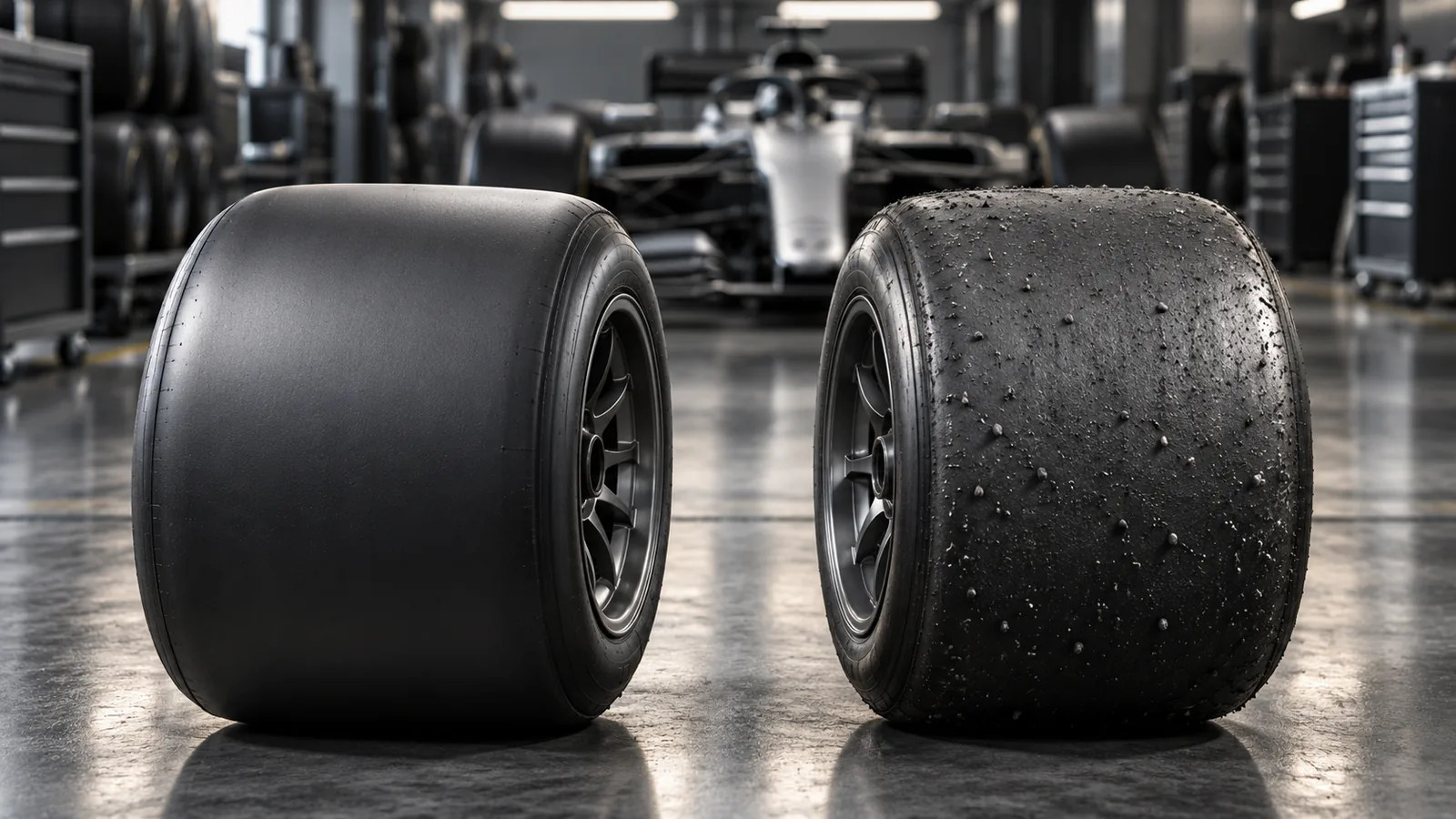
Illustration of a fresh racing slick beside a used slick with rubber pickup in a pit garage

Physical Tyre Sets Versus Stint Counters

A common point of confusion during a Grand Prix arises when a car rejoins the track with several laps already registered against its tyres on official graphics. Understanding why F1 tyre age does not reset after a pit stop comes down to distinguishing between a physical set of tyres and the continuous run of laps in a stint. A pit stop records the start of a new stint, but tyre age tracks the cumulative life of the specific rubber fitted to the car.

Teams regularly fit scrubbed or previously run tyres during a race, including sets evaluated during earlier practice sessions or qualifying. If a set already completed installation or flying laps before being fitted in the race, those previous laps remain part of that set's total running history. A visit to the pit lane can also involve mechanical adjustments, front-wing angle tweaks, or damage repairs where the crew leaves the existing set in place, which naturally maintains the set's running age.

Compounds, Sets, and Regulation Checks

Broadcasting terms and regulations treat specifications and physical sets separately. Designations such as soft, medium, or hard refer to compound specifications rather than unique physical units. A team often possesses multiple physical sets of the same compound with entirely different run histories, meaning switching from one used soft set to another constitutes a tyre change without changing specification.

Under the 2026 FIA sporting regulations, strict rules govern allocated sets, tyre identification, and the precise moment fitted tyres are classified as used. However, being marked as used in the sporting ledger simply denotes administrative and regulatory status; it does not define the remaining grip level of the rubber.

Pace Beyond Age Figures

Assuming an older tyre set is automatically slower on the very next lap overlooks several dynamic track factors. Grip levels fluctuate with track surface evolution, operating temperatures, fuel burn-off, and traffic management. A freshly mounted set may require warm-up time to reach its ideal operating window, whereas an older set might stabilize or even gain competitive pace as graining cleans up across varying conditions.

Because tyre life varies widely across different circuit layouts, surface abrasiveness, and compounds, strategy evaluations must look past raw lap-count figures alone. Analysts must balance a set's past usage against surrounding track context, warming characteristics, and the baseline lap time required to recover pit-lane time loss.

Official reference: 2026 FIA Sporting Regulations, Section B, Issue 09.

Why Rally Stages Feature Two Separate Finish Lines

rally flying finish vs stop control

Splitting the Timing Line from the Administrative Checkpoint

In circuit racing, a car takes the chequered flag and continues along a cooling lap, but special-stage rallying operates under different spatial constraints. Because competitors tackle closed sections of road at full racing speed, event organizers cannot demand that a car halt instantly the moment its competitive test ends. Instead, every special stage divides the conclusion into two distinct checkpoints located hundreds of metres apart.

The operational division between a rally flying finish vs stop control exists to protect both competitors and trackside volunteers. The flying finish represents the exact line where competitive timing stops down to fractions of a second via timing beams or transponder loops, and drivers cross it at top speed without braking prematurely. Placing the administrative stop checkpoint between 200 and 500 yards farther down the road provides crews with a mandatory deceleration lane to slow down on loose gravel, snow, or mud before coming to a safe, controlled halt.

Trackside Markers and Control-Zone Rules

Crews navigate the conclusion of a stage using standardized, colour-coded marker boards. An advance warning board with a yellow chequered flag is placed roughly 100 metres before the flying finish. The timing line itself is marked by a red chequered flag, after which the driver begins slowing down toward the red stop board that identifies the stop control.

Sporting regulations strictly regulate the buffer corridor between the two points. Drivers are barred from reversing, stopping prematurely, or performing vehicle maintenance anywhere between the flying finish and an end-of-control marker situated approximately 50 metres past the stop marshals. Once stationary at the red stop board, the co-driver presents the physical time card so marshals can record the official finish time and cross-check it against timing log sheets before releasing the car onto the open road.

Official reference: FIA World Rally Championship regulations.

How Phillip Island's Turn 7 Kerb Decided the Australian GP Sprint

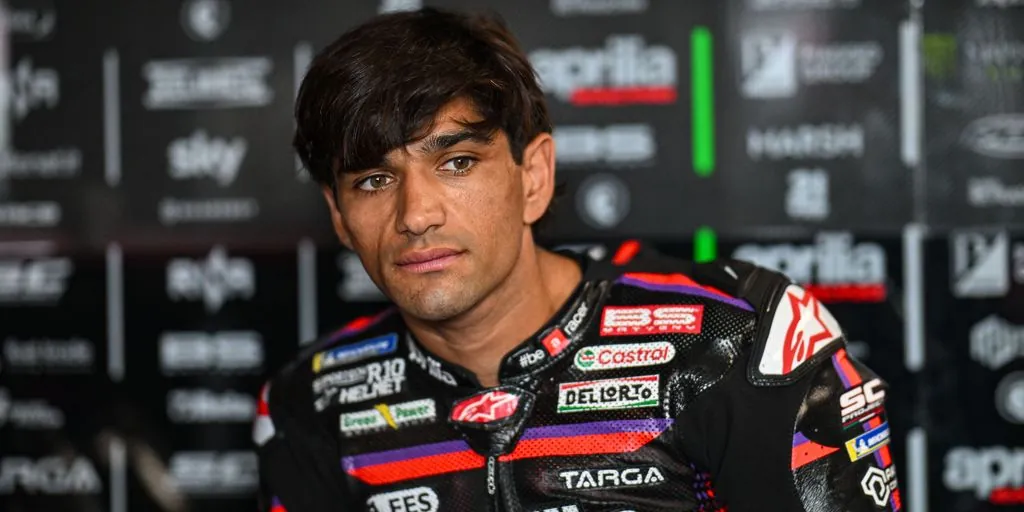
A motorcycle racer wearing racing leathers looks ahead inside a pit garage.

The Turn 7 Kerb Strike and Turn 8 Entry

Phillip Island's flowing layout demands precision during rapid directional changes, particularly through the transition from Turn 7 into Turn 8. During the October 2026 Sprint, Jorge Martin and Marc Marquez traded the lead across multiple corners, exchanging passes into Turn 1, Turn 4, and Turn 10 across eight laps.

The decisive incident developed on Lap 8 following another attack into Turn 4. Martin rode across the inside kerb at Turn 7, which destabilized his machine on the entry into Turn 8. The unsettled chassis caused the front end to tuck; despite Martin attempting to save the slide, the bike tumbled through the gravel trap. As reported in the bulletin Jorge Martin Ruled Out of Australian GP After Phillip Island Sprint Crash, the incident brought significant physical and competitive consequences.

Medical Verdict and Title Repercussions

Following the incident, Martin attended the circuit medical centre where X-rays confirmed a radius fracture and indicated a suspected ulna fracture at the distal end near the wrist. Circuit medical officials officially declared the Aprilia rider unfit for Sunday's Grand Prix, with additional medical checks scheduled in Melbourne to confirm the full extent of the arm injury.

The retirement and subsequent DNS had an immediate effect on the 2026 title standings. Martin entered the Australian weekend at the top of the championship table, but Marquez's ninth Sprint win of the season moved him back into the championship lead, while Marco Bezzecchi salvaged fourth place for Aprilia after recovering from 12th on the opening lap.

Official reference: Jorge Martin ruled out of Australian GP after Sprint crash.

How MotoGP Enforces Track Limits and Penalty Deadlines at Racing Circuits

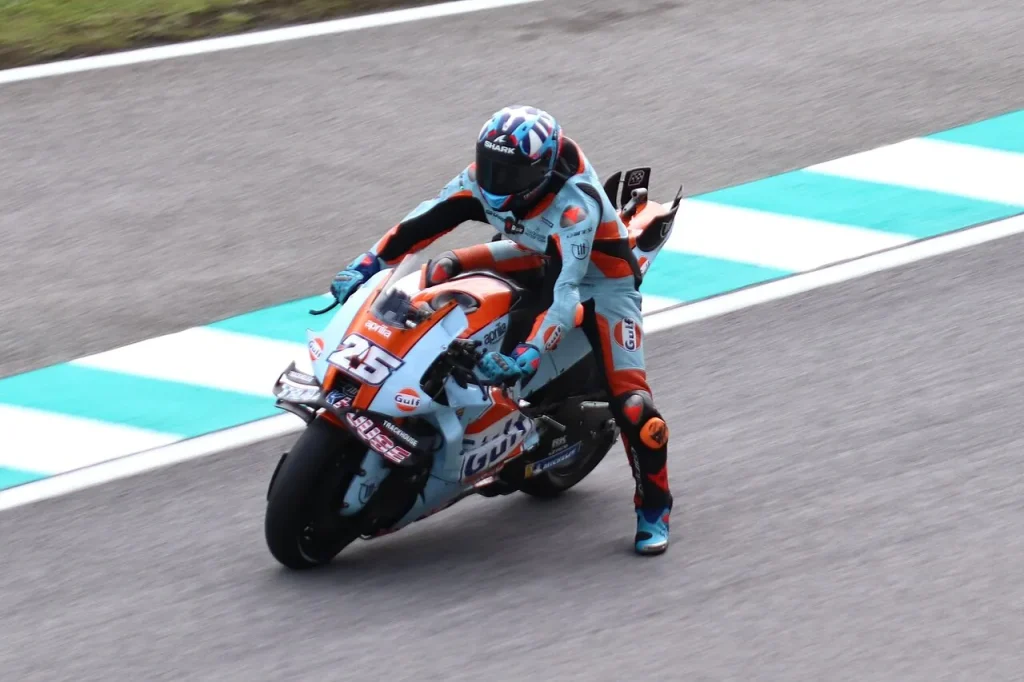
A motorcycle racer rides along a paved circuit next to the track kerbing.

Circuit Boundaries and Session Sanctions

Circuit layouts define where competitive running must take place, restricting riders strictly to the racing asphalt and pit lane across every Grand Prix weekend. Under standard MotoGP track limits rules, straying beyond circuit boundaries during practice or warm-up leads to immediate cancellation of that specific lap time by Race Direction. Stewards evaluate both motorcycle and rider positions when ruling on whether boundaries were breached, even factoring in scenarios where a rider becomes parted from their machine during an off-track moment.

Race Rejoin Procedures and Penalty Countdowns

When an off-track excursion happens during a Grand Prix, competitors are required to rejoin the layout without gaining an advantage or use designated access routes where specified by officials. If Race Direction and the FIM MotoGP Stewards Panel determine that track limits were exceeded to gain time or position, an in-race penalty is levied. The instruction is transmitted directly to the rider via motorcycle dashboard notifications alongside team timing screens and pit board signals. The lap count allotted for serving that penalty officially starts the first time the rider crosses the finish line following the dashboard alert.

Compliance Windows and Finality of Officiating

Stewards require that assigned penalties be fulfilled within a set lap or distance allowance, and ignoring this window results in escalated disciplinary action. While officials hold statutory authority to substitute certain sanctions with standard time additions when practical circumstances require it, on-track limit infractions are legally treated as matters of fact. Because these rulings represent factual assessments by designated officials, regulations prevent teams from lodging formal protests or appealing track limit decisions to higher FIM appeal bodies, arbitration, or civil courts.

Official reference: https://www.fim-moto.com/fileadmin/2026_GP_Sporting_Regulations_-_Updates_13_Sept__26.pdf?t=1792953378.

Hand Injury Forces Trackhouse Rider Out at Phillip Island

A close-up portrait of a motorcycle racer wearing racing leathers.

Phillip Island Demands and Finger Fracture

Managing braking and throttle control at high-speed venues places significant strain on a rider's hands, making preexisting injuries especially difficult to tolerate across a full race schedule. During the 2026 Australian Grand Prix weekend, Raul Fernandez Withdraws from Australian MotoGP After Sprint Retirement became the official outcome for the SuperFile Trackhouse MotoGP Team competitor when severe pain prevented him from completing Saturday's action. Fernandez had been managing a stable fracture in his right index finger suffered two weeks prior at Mandalika, but subsequent soft-tissue inflammation around the fracture site made handling the machine unsustainable.

Grid Repercussions and Future Rounds

The decision to stop early meant surrendering a strong second-row qualifying spot ahead of the 27-lap main race on Sunday at Phillip Island, where Fernandez had taken victory the previous season. The physical toll also cast immediate doubt over upcoming overseas rounds, as he was declared unfit ahead of the Malaysian Grand Prix at Sepang, planning further medical evaluation in Malaysia while his clearance to race remains unconfirmed.

Official reference: Fernandez withdraws from Australian GP.

Thursday, 29 October 2026

How MotoGP Penalises Jump Starts on the Circuit

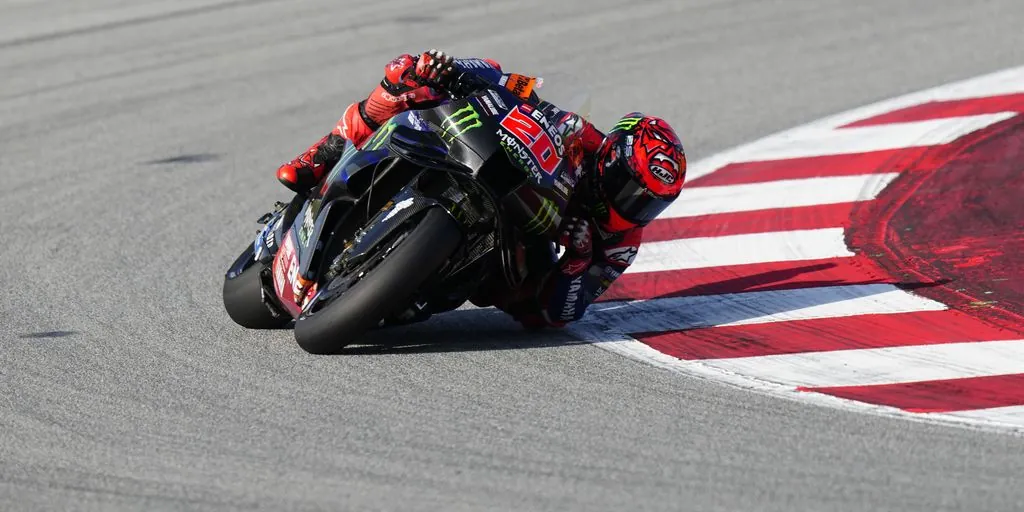
A MotoGP rider wearing race leathers and a helmet, riding a black and blue Yamaha motorcycle with number 20 and Monster Energy livery, leaning steeply into a corner on an asphalt track alongside red and white striped kerbing.

Sanctions for anticipating the start

When a rider moves before the red lights extinguish, the infraction is formally recorded in the FIM regulations as anticipating the start. Enforced by the FIM MotoGP Stewards Panel rather than general Race Direction, modern MotoGP jump start penalty rules mandate two Long Lap Penalties rather than an immediate ride-through sanction.

Circuit routing and signalling

To serve the sanction, the penalised rider must peel off the ideal racing line and navigate a designated asphalt loop laid out at the circuit on two distinct laps. This detour typically costs between two and four seconds per attempt, often dropping the competitor several positions down the order. Notification appears directly on the motorcycle dashboard as an L LAP X2 display alongside yellow lights, backed up by pit wall displays and trackside signaling boards.

Escalation for unserved loops

Should a rider fail to complete the required loops, race stewards escalate the disciplinary response. Continuing to ignore the sanction leads to a mandatory ride-through trip down the pit lane under the sixty kilometre per hour limit, or an added post-race time penalty of up to two minutes.

Official reference: Grand Prix racing explained: How the MotoGP™ championship works and key rules.

How Post-Race Drive Time Audits Alter Endurance Race Classifications

A front-three-quarter view of a white, red, and black #4 Audi 90 Quattro IMSA GTO race car driving on an asphalt course, with grass and straw bales visible in the background.

Drive Time Rules and the Post-Race Audit Process

In multi-driver sports car endurance races, a car crossing the finish line on the lead lap does not automatically secure its finishing position. Series officials evaluate timing and scoring records through formal post-race audits to ensure every driver completed their required stint length. Under IMSA Standard Sporting Regulations (SSR) 12.13.2, entries are subject to tiered requirements: silver- and bronze-rated drivers must satisfy a designated minimum drive time, while every other co-driver must complete a base drive time defined in the event Supplemental Regulations.

When an entry falls short of these stint thresholds, race control applies the Article 12.12 Drive-Time Penalty Order. Rather than issuing a time addition, this regulatory mechanism demotes the offending car behind all finishing competitors in its class that met their obligations. These IMSA minimum drive time penalties effectively drop an otherwise podium-finishing car to the tail of its category classification.

Red Flag Adjustments and Historic Impacts on Results

Event interruptions directly influence these mathematical thresholds. Under SSR 12.11.5, if a race is halted by red flags, both the minimum and base drive-time requirements are reduced proportionally according to the duration lost while drive-time clocks are suspended.

The consequences of failing post-race stint audits have changed major sports car outcomes. At the 57th Rolex 24 At Daytona in 2019, GT Daytona competitors faced a four-hour, 45-minute minimum for silver and bronze drivers and a three-hour, 30-minute base requirement for other drivers. Post-race audits found that Ricky Feller in the second-place No. 29 Montaplast by Land Motorsport car and Toni Vilander in the No. 63 Scuderia Corsa entry did not meet their stint quotas. Relegating both cars to 22nd and 23rd in class elevated the No. 12 AIM Vasser Sullivan and No. 88 WRT Speedstar entries onto the class podium.

Similar auditing standards govern shorter formats as well. During the 2018 IMSA Prototype Challenge event at Canadian Tire Motorsport Park, Kyle Masson finished first on track in the No. 11 Elan DP02 but missed the mandatory 40-minute drive-time mark. The resulting demotion dropped the car to the back of the Mazda Prototype Challenge classification, handing the class win to teammates Howard Jacobs and James French.

Official reference: IMSA Announces Drive-Time Penalties From Rolex 24 | IMSA.

How Rally Crews Manage When Pace Notes Disappear Mid-Stage

A Toyota GR Yaris Rally1 World Rally Championship car navigates a sunlit gravel stage, kicking up a large plume of dust along a track bordered by trees and roadside fencing.

The Immediate Shift to Sight Driving

In world-level rallying, high commitment over crests and through blind corners relies completely on continuous instructions delivered from the right-hand seat. When an issue like WRC lost pace notes occurs, whether caused by a dropped notebook or gaps in information, the dynamic inside the car changes instantly from anticipation to visual reaction.

Without descriptive calls outlining the severity of upcoming turns, the driver has to brake earlier, scan the road ahead purely by sight, and sacrifice competitive stage times to avoid severe incidents until notes can be resumed.

Physical Dislodgements and In-Car Recovery

The violent impacts typical of rough gravel events can physically break a co-driver's hold on their notes. On the opening CambyretĂ¡ stage of Rally del Paraguay, M-Sport Ford driver Josh McErlean experienced this when co-driver Eoin Treacy lost his grip on the pacenote book following a harsh landing over a jump.

The impact momentarily disoriented McErlean, leaving the car covering approximately 400 metres toward an upcoming junction without any notes being called. The straight distance before the junction gave the crew just enough time to reset and negotiate the corner safely.

Reconnaissance Speed Limits and Missing Detail

Notes can also fall short because of limitations during pre-event reconnaissance. During the 2022 edition of Rally Japan, Thierry Neuville highlighted on the Shinshiro City test that mandatory low recce speeds, such as a 60 km/h cap, make drafting speed-dependent pacenotes challenging for modern top-tier machinery.

When notes do not match true competition speeds or omit vital warnings, crews face similar penalties. At the 2026 Rally Japan, Takamoto Katsuta dropped 25.9 seconds on the second stage while dealing with incomplete pacenote information following an opening-test tyre puncture.

Official reference: FIA World Rally Championship regulations.

How Phillip Island Turn 4 and Changing Weather Shaped the 2026 Australian GP Grid

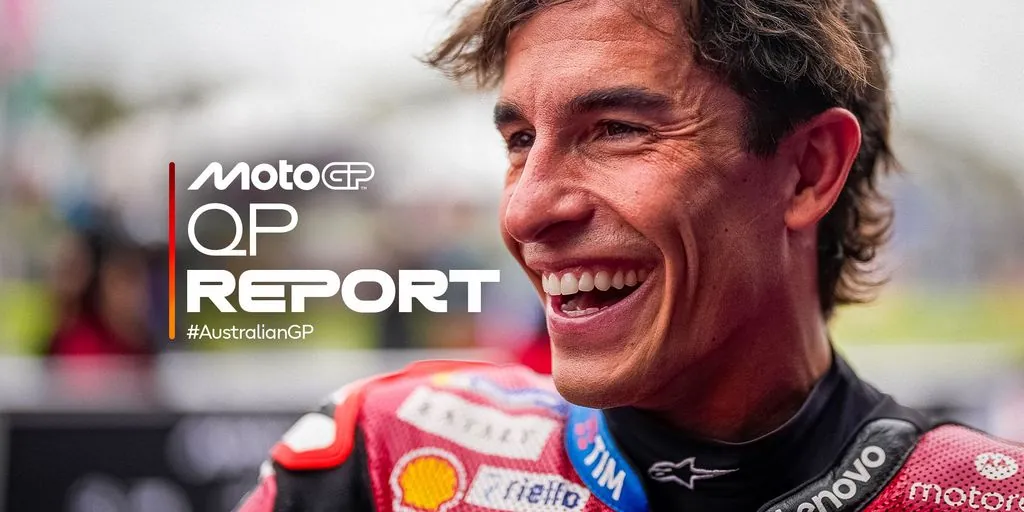
A motorcycle racer smiles while wearing racing leathers.

Turn 4 Demands and the Sprint for Spare Machinery

Phillip Island presents distinct setup and handling challenges when coastal precipitation rolls across the circuit. During qualifying for the 2026 Australian Grand Prix, Turn 4, also known as Miller Corner, proved treacherous on opening flying laps as damp conditions gave way to returning rain. Entering the slow right-hander, riders faced diminished front-end grip, leading to rapid front-tuck incidents in the tricky transition between changing grip levels.

A crash at this point of the lap immediately forces a rider to evaluate spare bike availability and changing track temperatures. In this 2026 session, Marc Marquez Recovers from Turn 4 Crash to Take Australian GP Pole after abandoning his initial Ducati in the gravel, sprinting back to pit lane, and heading out on his backup machine just as surface conditions began to deteriorate further.

Reading Gaps and Grid Order Across Drying and Wet Windows

Lap times set across fluctuating track wetness cannot be read as straightforward measures of dry machine pace or individual capability. The session saw rapid shifts: Johann Zarco briefly set provisional benchmarks after advancing through Q1 alongside Jack Miller, while title contender Jorge Martin dropped as low as tenth before timing a late lap on his Aprilia to secure fourth on the grid.

Marquez ultimately posted a 1:34.203 to head the front row ahead of Alex Marquez and Zarco. The resulting 1.494-second buffer stood as the largest premier-class pole margin since the 2019 Czech Grand Prix at Brno, reflecting how crucial sector-by-sector timing and bike recovery were as rainfall settled over Phillip Island.

Official reference: Crash to pole: Marc Marquez delivers Q2 showstopper at Phillip Island.

Sepang Notebook: Rider Substitution and Track Context for Round 19

A motorcycle racer wearing racing leathers and a cap looks forward.

Aldeguer Sidelined for Malaysian Grand Prix

Hand injuries present significant physical hurdles across Sepang's heavy braking zones and rapid direction changes. Following surgery to address a fractured base of the first metacarpal in his right hand, sustained during a crash from podium contention at Mandalika, Fermin Aldeguer was forced to miss Round 19 of the 2026 MotoGP season in Malaysia.

Lecuona Steps In on the Number 54

With medical recovery continuing after that Indonesian Grand Prix accident, the team required an experienced stand-in for the Malaysian round. The official update confirmed Fermin Aldeguer Ruled Out of Malaysian GP as Iker Lecuona Deputises at Sepang, ensuring the machine remained on track. Lecuona, who finished as the 2026 WorldSBK runner-up, extended his reserve duties after having already substituted on the number 54 entry at the preceding event in Australia.

Official reference: Aldeguer out of Malaysian GP.

How the NASCAR Choose Rule Reshaped Oval Restarts and Commitment Marks

Stock cars race through a turn on a banked oval track.

Origins at Bristol and Michigan in 2020

Prior to the formal introduction of the choose procedure, only the race leader held the right to select their restart lane. This arrangement frequently created tactical gamesmanship on pit road, where trailing drivers would deliberately brake or decelerate to manipulate their positioning and line up in a preferred groove for double-file restarts. To eliminate these pit-lane maneuvers, NASCAR trialed a lane-selection system during the July 2020 All-Star Race at Bristol Motor Speedway, utilizing an orange V on the racing surface to establish the commitment boundary. Following that exhibition test, officials integrated the procedure into points-paying competition across all three national series starting at Michigan International Speedway in August 2020.

Commitment Violations and Sanctions

The restart process requires each driver to make a definitive choice between the inside and outside lanes before crossing the designated track mark. Under official procedures governing NASCAR choose cone penalties, any competitor who fails to commit to a lane prior to reaching the mark, or who attempts to switch lanes after passing it, is sent directly to the tail end of the longest line. Because race control assesses this sanction before the green flag drops, the field order is adjusted immediately on the racing surface rather than via a timed penalty on pit road.

Track Configurations and Procedural Exclusions

While the choose rule became a fixture on intermediate and short ovals, NASCAR explicitly excluded road courses and superspeedways from the procedure. On the circuits where it does operate, competition officials apply procedural adjustments to coordinate line dynamics alongside standard race-control elements, including wave-arounds and free passes, ensuring the restart order remains structured as cars sort into double-file formation.

Official reference: NASCAR official news and results.

How MotoGP Ride-Through Deadlines Work Along Pit Lane

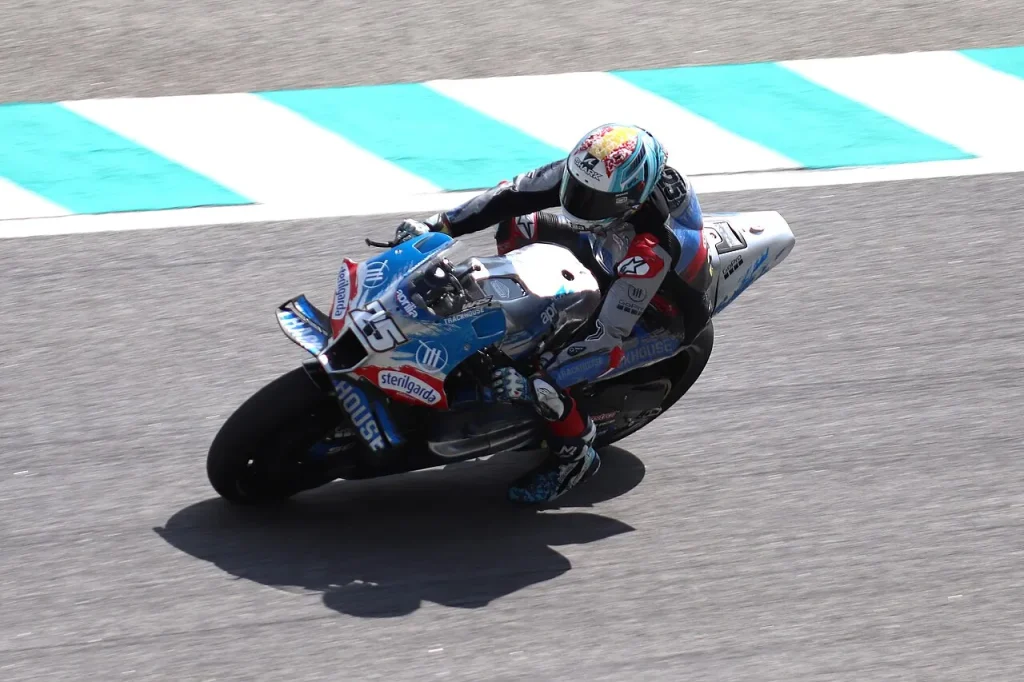
A motorcycle racer leans into a turn on a paved racing circuit beside a painted kerb.

Notification and the Three-Lap Window

When race stewards penalize a rider with a ride-through during a Grand Prix, the sanction is signaled via the onboard dashboard display, official timing monitors, and optional pit boards from the team. Under FIM MotoGP ride-through penalty serving rules, the window to comply does not begin immediately at the moment the message triggers; instead, the three-lap count officially starts when the rider crosses the finish line for the first time after notification. Entering the pit lane before the end of those three laps is mandatory to avoid being disqualified with an immediate black flag.

Pit Speed Restrictions and Interruptions

Executing the penalty requires riding through the pit lane without coming to a stop while strictly adhering to the pit lane speed limit. Breaching that speed limit triggers further sanctions from stewards, with a Double Long Lap penalty serving as the default response. If red flags interrupt a race before a rider has completed an active penalty, the obligation carries over into the restarted portion. When an infraction occurs too late in the race for stewards to signal the penalty before the finish, the procedure shifts to an equivalent post-race time penalty predetermined and shared with teams before the start.

Official reference: https://www.fim-moto.com/fileadmin/2026_GP_Sporting_Regulations_-_Updates_13_Sept__26.pdf?t=1792878879.

Wednesday, 28 October 2026

Circuit Notebook: How MotoGP Sets Its Grid Across Two Knockout Sessions

Close-up of MotoGP rider Fabio Quartararo wearing an HJC helmet with the visor raised and Monster Energy Yamaha racing gear, celebrating with both gloved hands raised in parc fermé or the pit lane.

Friday Cutoffs and the Initial Split

A Grand Prix weekend begins sorting the field well before Saturday morning. In the modern format, Friday afternoon hosts a critical 60-minute Practice session following the morning's Free Practice 1. The 10 fastest riders at the end of that Friday afternoon session gain automatic advancement straight into the pole shootout. Everyone outside that top 10 is relegated to the opening knockout round.

On Saturday, riders run a 30-minute Free Practice 2 to finalize setups before competitive timed runs begin. Understanding how MotoGP Q1 and Q2 qualifying work requires looking at this progression: the first knockout phase, Q1, gives those remaining riders 15 minutes to secure one of only two promotion berths. Third place in Q1 is assigned 13th on the grid, fourth takes 14th, and the remaining order fills out the lower rows.

The 12-Rider Shootout and Weekend Grid Impact

Qualifying 2 gathers the 10 automatic qualifiers alongside the two transfers from Q1 for another 15-minute contest. The single fastest lap time sets pole position, while the rest of the 12 participants form the first four rows of three bikes each. Advancing through Q1 to take pole is difficult, though riders such as Marc Marquez and Jorge Martin have each managed it twice.

Since 2023, the qualifying order governs starting spots for both the Saturday Sprint and the Sunday Grand Prix, meaning Sprint finishing positions do not alter Sunday's launch spots. Pushing for lap times also carries strict track regulations: straying onto designated green painted runoff cancels an individual lap time, as occurred to Marc Marquez at the 2024 Japanese Grand Prix, while cruising slowly on the racing line can trigger steward-issued grid demotions.

Official reference: How Does MotoGP™ Qualifying Work? – The Complete Guide.

How Super GT Limits Physical Ballast and Shifts Heavy Penalties to the Pit Lane

A pack of GT race cars speeds down the main straight during a race.

Points Accrual and the Nominal Weight Ceiling

In Super GT, performance handicaps are calculated directly from a team's championship standing. In the GT300 division, cars accumulate a baseline allocation of 2 kilograms of nominal ballast for every Drivers' Championship point scored, up to a ceiling of 100 kilograms. While the GT Association briefly altered this penalty to 3 kilograms per point during the 2020 season to handicap early winners more aggressively, the scale was later restored to the standard 2 kilograms per point.

As championship battles progress toward the autumn finale, the handicap scales downward. In the penultimate race, the rate decreases to 1.5 kilograms per point scored. For the eighth and final round, ballast drops completely to zero for any entry that participated across all eight events of the season.

Safety Ceilings and Fuel Flow Adjustments

Carrying heavy ballast poses structural and safety challenges, especially when additional Special BoP Weight was introduced to curb speeds. In response to safety concerns raised by teams, the GTA capped the maximum physical onboard ballast at 50 kilograms in GT300, matching the existing standard in GT500.

When an entry surpasses 50 kilograms in nominal penalties, the Super GT success ballast rules transfer the remaining weight balance into a pit lane time penalty using a Success refuelling restrictor. Mounted beneath the automatic shut-off valve on the team's fuel rig, the restrictor slows fuel delivery during scheduled stops. Because fuel requirements and base flow parameters vary by vehicle, the restrictor's specific diameter is calibrated against each car's Balance of Performance fuel flow restrictor and defined in official pre-event technical bulletins.

Official reference: SUPER GT official series information and results.

How Jorge Martin's Phillip Island Sprint Crash Reshaped the 2026 Title Fight

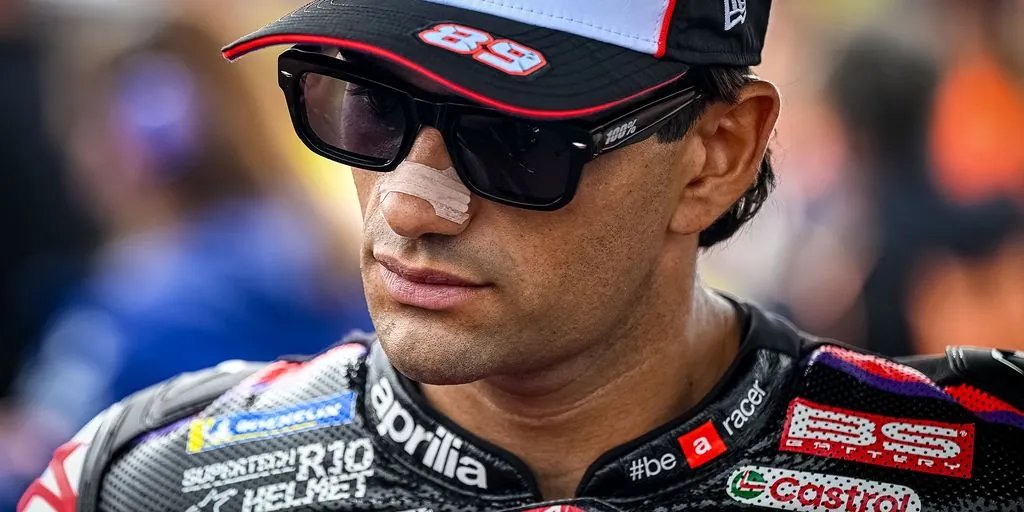
A close-up of a motorcycle racer wearing sunglasses, a cap, and racing leathers with a bandage across his nose.

Phillip Island Incident and Medical Assessment

Turn 8 at Phillip Island proved pivotal during Saturday's Sprint race when Jorge Martin crashed on lap eight while contesting the lead with Ducati Lenovo Team rider Marc Marquez. Initial evaluations conducted at the circuit medical centre indicated a fractured radius alongside a suspected distal ulna fracture. Subsequent CT imaging clarified the diagnosis, confirming that Martin sustained a single non-displaced fracture of the distal radius. Following the medical evaluation, Martin was declared unfit to compete in Sunday's Australian Grand Prix.

Logistical and Championship Consequences

Rather than boarding a long-haul flight immediately after the incident, Aprilia Racing confirmed that Jorge Martin Will Not Return to Spain After Distal Radius Fracture, clarifying to broadcaster Sky Italy that remaining on site avoids unnecessary travel while receiving medical care. The retirement and subsequent withdrawal carried immediate implications for the standings, handing the championship lead to Marquez and leaving Martin ten points adrift with 173 points remaining on the calendar through the season finale in Valencia.

Official reference: Martin update: 2024 Champion won’t return to Spain for treatment.

How Phillip Island Practice Disrupted the MotoGP Field in October 2026

A motorcycle racer leans into a turn on an asphalt circuit.

Red Flags and Trackside Hazards at Turn 4

Phillip Island frequently challenges MotoGP teams with rapid changes in track flow, and Friday practice for the 2026 Australian Grand Prix highlighted how quickly momentum can stall. Early running was halted twice inside the opening 20 minutes, first when Jack Miller crashed at Turn 6 and Marco Bezzecchi went down after contact with Alex Marquez under braking into Turn 4, requiring debris cleanup. A second stoppage occurred shortly after when a wallaby strayed onto the circuit, pausing running before teams could settle into long-run evaluations.

Aprilia Dominance and Tight Q2 Margins

Once track activity stabilized, Aprilia demonstrated standout form across both factory and satellite setups. Under the headline narrative where Marco Bezzecchi Tops Friday MotoGP Practice at Phillip Island as Aprilias Surge, Bezzecchi led an RS-GP sweep of four out of the top five positions with a 1’26.775 benchmark. Raul Fernandez followed in second, while Marc Marquez split the Aprilia group in third aboard his factory Ducati before encountering a practice-start issue after the chequered flag, followed by Ai Ogura in fourth and Jorge Martin in fifth.

The tight margins around the sweeping Australian layout proved unforgiving for several regular frontrunners. Behind top-ten qualifiers Alex Marquez, Enea Bastianini, Pedro Acosta, Diogo Moreira, and Fabio Di Giannantonio, less than one second covered 14 riders. That compressed spread pushed Johann Zarco, Miller, Brad Binder, Francesco Bagnaia, Fabio Quartararo, and Iker Lecuona into Qualifying 1, while Luca Marini was sidelined for the remainder of Friday following minimal morning laps.

Official reference: Bezzecchi fastest on Friday at Phillip Island, Aprilias gang-up on Marc Marquez.

How MotoGP Riders Must Execute a Double Long Lap Penalty on Track

A Grand Prix motorcycle rider leans through a turn on a racetrack.

Designated Runoff Routes and Execution Rules

At every Grand Prix circuit, race organizers designate an elongated asphalt path on the outside of a chosen corner to slow penalized competitors without requiring an immediate pit visit. When the FIM MotoGP Stewards issue a double sanction, understanding how MotoGP double long lap penalties are served comes down to navigating this marked corridor across two separate laps. The track layout for the route is defined by painted white boundary lines communicated to teams before the weekend's opening practice session.

A rider serving the sanction bears full responsibility for safely leaving the racing line and rejoining the circuit without impeding or endangering other competitors. The motorcycle must remain strictly within the painted white lines of the penalty lane, and overtaking any rival inside the corridor is strictly forbidden. Stepping outside these boundaries risks steward intervention, which can include an order to repeat the loop or face additional penalties.

Timing Windows, Flags, and Noncompliance Escalation

The compliance window does not open at the moment of an incident, but begins when the rider crosses the finish line for the first time after the penalty notification appears on their dashboard display. From that point, the rider is granted a five-lap window to complete both passes through the penalty lane. However, if yellow flags or caution signals cover the corner where the route is situated, the rider is barred from entering the penalty lane on that lap; each lap made unusable by caution flags extends the compliance deadline by an additional lap.

Ignoring or failing to complete both loops within the five-lap period leads to swift administrative escalation. The stewards will escalate the sanction to a pit lane ride-through, requiring the rider to pass through the pit lane under the pit speed limit. If that ride-through is not served within three laps of notification, the rider faces disqualification via the black flag. If red flags interrupt the race before completion, the remaining penalty carries over to the restart or converts into an equivalent time penalty as determined by the stewards.

Official reference: https://www.fim-moto.com/fileadmin/2026_GP_Sporting_Regulations_-_Updates_13_Sept__26.pdf?t=1792877218.

How IMSA Regulates Cockpit Swaps on Pit Road

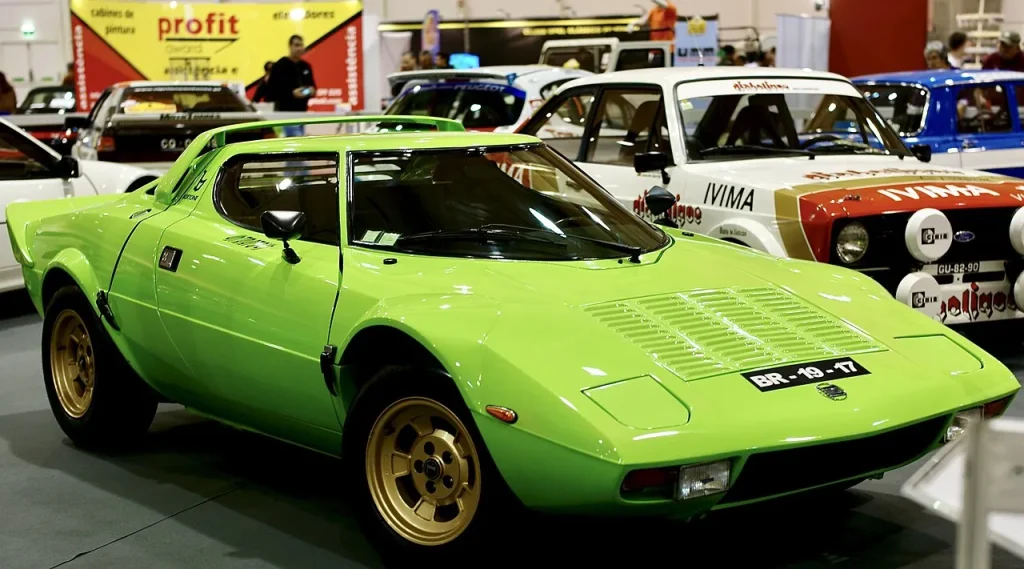
A Lancia Stratos HF sports car.

Pit Box Limits and Crew Safety

In sports car endurance competition, pit lane operations follow strict protocols to prevent chaotic congestion and maintain safety. IMSA regulations dictate that crew personnel must stay behind the pit wall until a car reaches a full stop inside its designated stall. While four crew members perform standard tasks such as refueling, tire changes, or mechanical adjustments, teams navigating endurance racing driver change rules are granted exactly one designated assistant to work directly at the cockpit door.

That single helper is tasked with coordinating the outgoing and incoming drivers inside a very confined cockpit space. Duties include clearing safety belts, installing tailored seat inserts when teammates have differing physical builds, fastening multi-point harnesses, and plugging in essential connections such as the radio lead, helmet fresh-air hose, and hydration drink bottle before the car is cleared to leave.

Strategic Timing and Distance Demands

Championship regulations set a minimum of two drivers per car for standard rounds, while long-distance events held at Daytona International Speedway, Sebring International Raceway, Watkins Glen International, and Michelin Raceway Road Atlanta permit rosters of three to four drivers. In qualifying sessions, however, only a single nominated driver may participate in the timed run.

Out on pit lane, where cars must adhere to an enforced 60 km/h speed limit under threat of drive-through or black flag penalties, a cockpit swap must be completed rapidly. Because standard four-tire and refueling services often finish in under 25 seconds, completing driver changes within roughly 25 to 30 seconds ensures a team does not lose track position or sacrifice tactical options such as taking only two tires.

Official reference: Art of the Driver Change: Poetry (or Comedy) in Motion | IMSA.

How World Rally Championship Scrutineers Track Tyre Limits

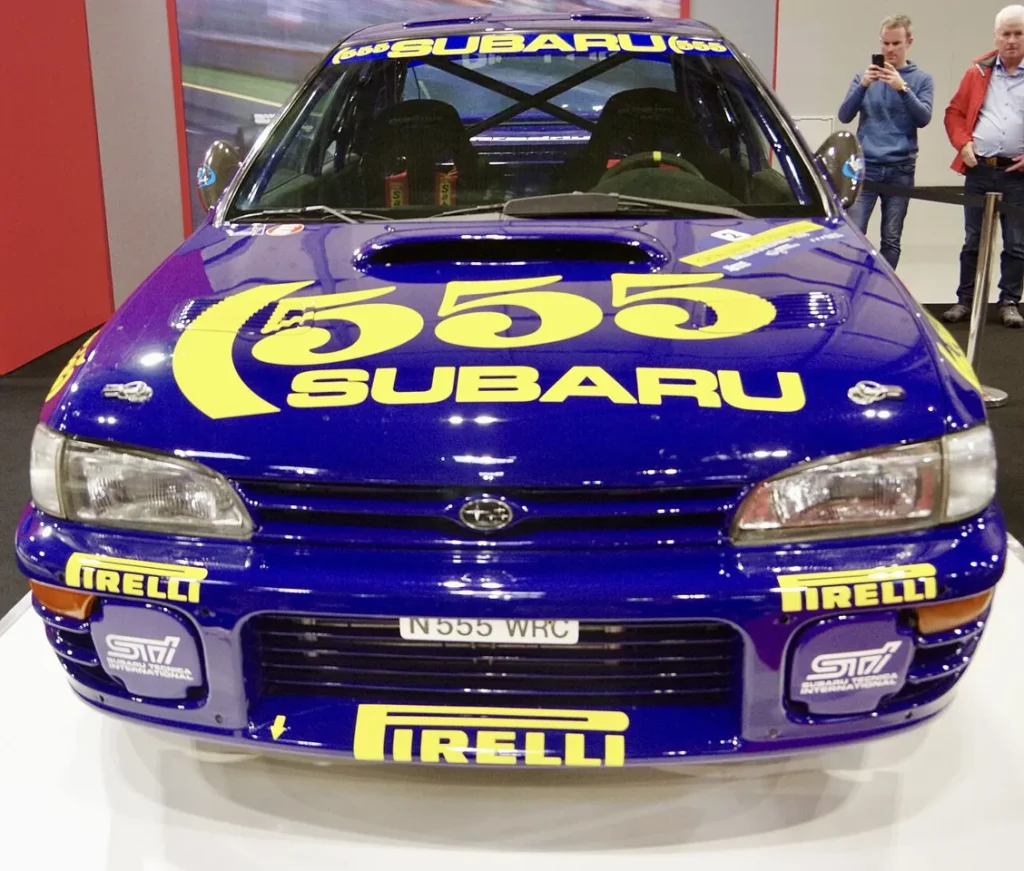
A rally car is on display indoors.

Tracking Tyres Before Cars Leave Service

Rally itineraries require competitors to manage finite tyre quantities across gruelling multi-day events, making rigorous enforcement essential. As seen in the official WRC tyre marking explained process, governing bodies rely on embedded technology and strict physical checkpoints to prevent crews from accessing surplus or unapproved rubber. For the 2026 season, four-wheel-drive competition tyres supplied by Hankook feature permanent RFID tags embedded into their casing structure prior to vulcanisation, alongside unique individual barcodes registered with the FIA.

Before cars depart the service park, Tyre Fitting Zones, or Remote Service Zones for competitive road sections, they must pass through dedicated marking stations. Scrutineers scan the barcodes and RFID chips to log each tyre fitted to the chassis. To facilitate this flow, a single crew member is allowed into the exit zone solely to assist officials with scanning, whereas shakedown marking occurs under direct technical supervision where assistant team access is prohibited.

Stage-Side Verification and Road Management

Supervision does not cease once crews clear the primary checkpoints. Technical officials possess the authority to conduct conformity checks anywhere along the event itinerary to ensure the rubber on the car corresponds to the pre-registered list. Representatives from the official tyre partner may also attend special stage finish stops to inspect tyre wear and collect working operational data.

Crews face severe logistical constraints regarding wheel management between timing controls. Complete wheels can only be mounted, dismounted, or swapped in official service areas or designated change points. Spares collected during a service cycle must stay aboard the car until the next sanctioned tyre zone. While non-registered tyre patterns from the designated supplier are tolerated during public road liaisons, running unregistered tyres across timed special stages triggers immediate referral to event stewards for sporting penalties.

Official reference: https://www.fia.com/system/files/documents/wrc_2026_sr_version_13_january_2026.pdf.

Flag-to-Flag Rules: How Often Can MotoGP Riders Switch Bikes in a Race?

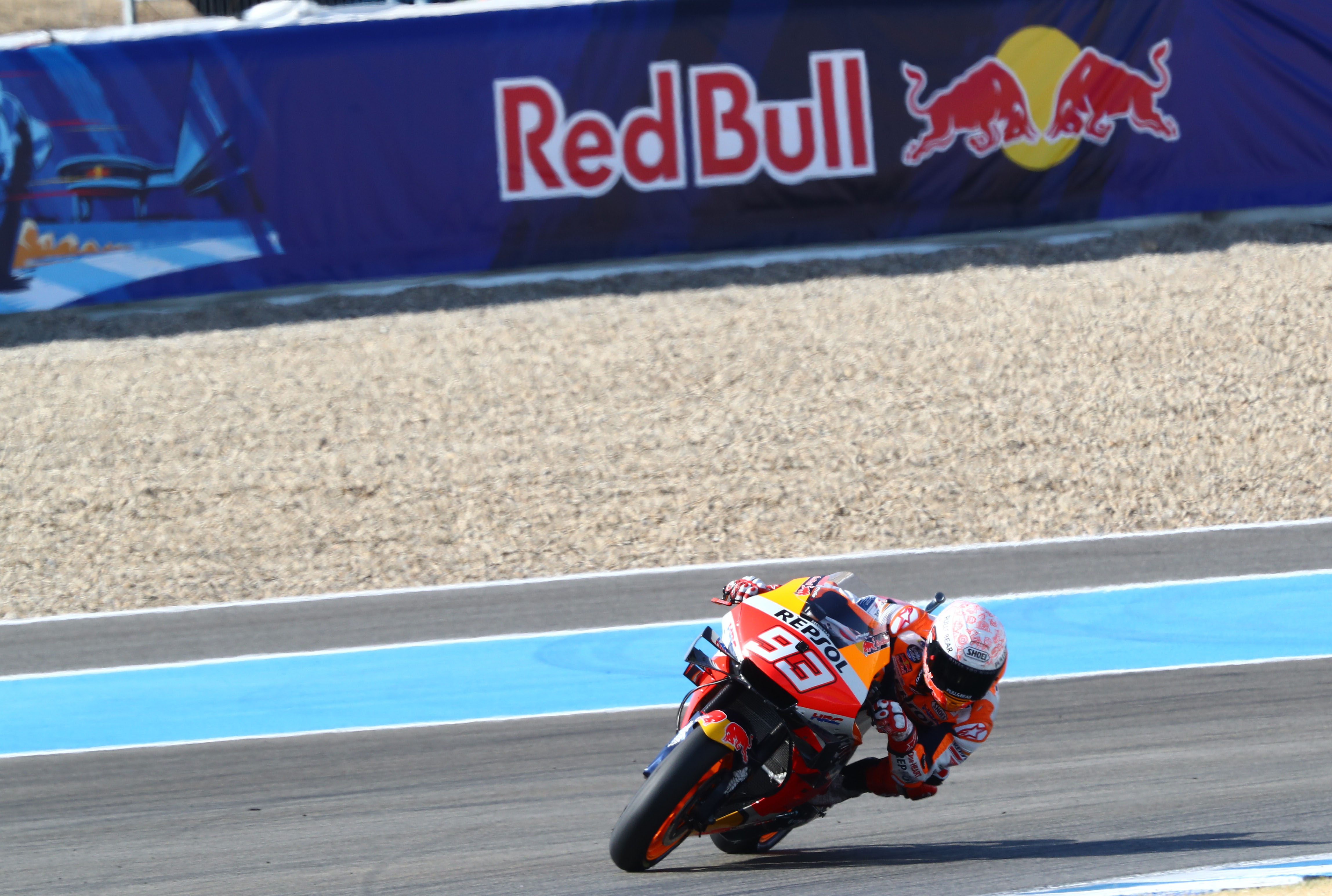
Marc MĂ¡rquez riding the #93 Repsol Honda MotoGP motorcycle, leaning into a corner on an asphalt circuit alongside red-and-white striped kerbing. The rider is wearing branded Repsol Honda leathers and a helmet, with visible Honda, Repsol, and Red Bull liveries.

The Rules of the Pit-Lane Bike Swap

When unpredictable weather rolls across a circuit, premier-class MotoGP races can transition into flag-to-flag mode. Once race direction declares a wet race or marshals display white flags around the circuit, riders are legally allowed to enter pit lane and switch from their primary motorcycle to their spare machine. Under Grand Prix regulations, each premier-class competitor is allocated two complete prototype machines, whereas Moto2 and Moto3 riders operate with just one due to budget caps.

Within the current framework, there is no official cap on how many times a rider can swap back and forth between their two allocated motorcycles during an active flag-to-flag contest. Officials do not dictate tyre choices on the secondary machine, meaning competitors can change from slicks to rain tyres, switch back to dry rubber, or even mount a machine fitted with an identical tyre compound if conditions require.

Pit Speed Limits and Strategic Pitfalls

While the regulations leave pit-lane access wide open, taking advantage of MotoGP multiple bike changes introduces a heavy strategic gamble. Entering pit lane requires reducing speed immediately to comply with a strict 60 km/h pit-lane limit enforced between timing markers, where speeding incurs a standard double Long Lap penalty or harsher stewarding actions. Navigating pit road at this restricted speed costs substantial track time relative to staying out on circuit.

A misread of track conditions can quickly ruin an otherwise strong run. During the 2024 race at Misano, Jorge Martin pitted for rain tyres during brief precipitation, only for the weather to dry almost immediately; having to make a second swap back to slicks relegated him to 15th while rivals who stayed out fought for the win. Misano witnessed similar turmoil in 2015 when Jorge Lorenzo, Marc Marquez, and Valentino Rossi all executed wet-weather swaps before a drying track forced second stops. Marquez managed the second change successfully to claim good pace, whereas Lorenzo crashed out shortly after his return to slicks.

Voluntary Strategy Versus Compulsory Mandates

Bike swaps are almost exclusively an optional tactical decision left up to the rider in the saddle, despite communication from teams via pit boards and dashboard messaging. However, historical precedents show officials can adapt the mechanism for safety. At Phillip Island in 2013, untested asphalt raised concerns that Bridgestone tyres would not survive full race distance, leading race direction to mandate a compulsory bike swap on laps 9 or 10. While that race saw Marquez disqualified for pitting outside the mandatory window, modern flag-to-flag events remain voluntary strategic gambles governed by rider judgement and weather volatility.

Official reference: How Do MotoGP™ Riders Switch Bikes During a Race?.

Tuesday, 27 October 2026

Why Grounded Medical Helicopters Halt Track Action at Phillip Island

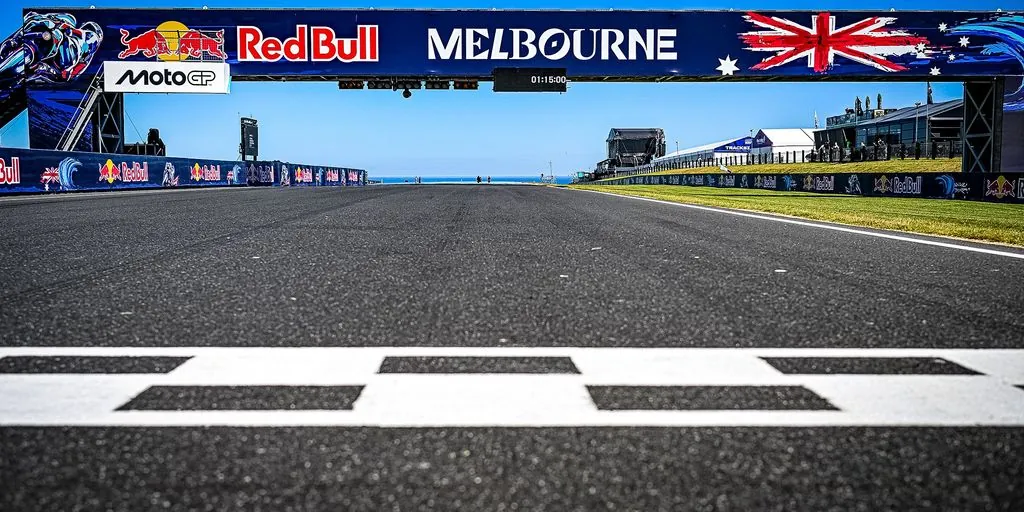
An empty race track straight extends from the start-finish line beneath an overhead gantry.

The Direct Link Between Air Evacuation and On-Track Running

Circuit safety protocols require emergency medical transport to be operational before high-speed track activity can begin. During Sunday running at the 2026 Red Bull Grand Prix of Australia, reduced visibility prevented the event medical aircraft from safely operating. This mandatory safety requirement explained why the MotoGP Australian GP Delayed as Reduced Visibility Grounds Medical Helicopter occurred prior to the planned morning warm-up session.

Under Article 5.3.12 of the FIM Grand Prix World Championship Regulations, an air evacuation helicopter must normally be positioned in close proximity to the circuit medical centre. Regulations stipulate that the aircraft must carry qualified resuscitation personnel, appropriate medical equipment, and be capable of reaching the designated receiving hospital within roughly 20 minutes by air.

Road Ambulance Alternatives and Strict Transit Limits

When adverse weather restricts flight, racing does not automatically continue under alternative transport methods. The regulations permit patient transfers by road ambulance only following formal consultation between the Chief Medical Officer, the Medical Director, and the FIM Medical Officer.

Crucially, road transfer is contingent upon hospital proximity, with regulatory guidance stating that the facility should normally be within 45 minutes by road. If the journey time exceeds reasonable limits and air support remains grounded, officials must consider delaying or stopping the event. For the Phillip Island delay, event announcements confirmed the hold on track running without indicating whether a road transfer exception was formally considered or authorised.

Official reference: LATEST: MotoGP Phillip Island track activity delayed.

How IMSA Enforces Pit Lane Speed Limits and Servicing Penalties

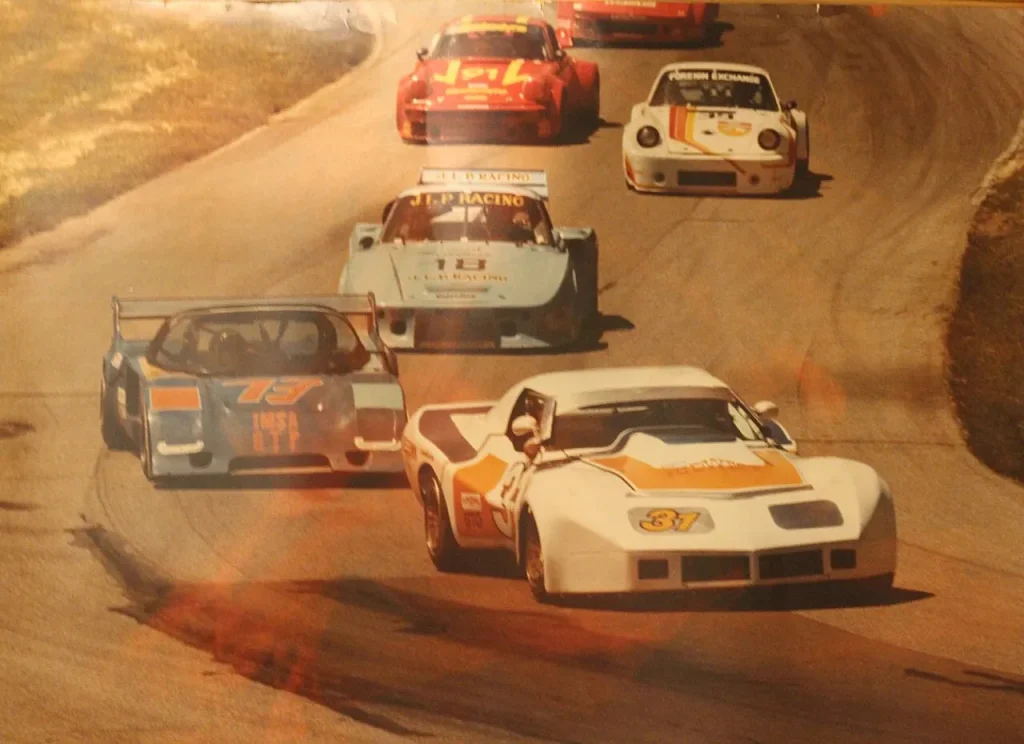
A group of IMSA sports cars navigating a turn on an asphalt circuit, prominently featuring a white and orange Chevrolet Corvette (No. 31) with GTO markings alongside a light blue GTP prototype (No. 73) displaying 'IMSA GTP' lettering on the nose, trailed by a light blue J.L.P. Racing.

Pit Lane Speed Ceilings and Initial Sanctions

Controlling vehicle velocity in the working lane is central to managing pit complex safety during multi-class endurance events. Under IMSA WeatherTech SportsCar Championship regulations, the standard pit lane speed ceiling is set at 60 kilometres per hour for all participating machinery. To maintain order, official IMSA pit lane speed limit rules specify that any competitor registered exceeding this threshold must serve a drive-through penalty, requiring the car to traverse the pit lane at controlled speed without stopping for service.

Escalation and Service Area Safety

If a competitor ignores directives from race control or commits serious infractions, officials can escalate the penalty to a black flag, instructing the car to enter the pit lane immediately. This speed restriction coordinates with broader pit box safety requirements, such as barring crew members from stepping over the pit wall before the machine comes to a complete halt and limiting standard service work to four crew members.

Official reference: WeatherTech: Understanding The Sport | IMSA.

Monday, 26 October 2026

How Circuit Distribution Shapes NASCAR's All-Time Road Course Records

Driver wearing sunglasses, a green cap and a green-and-white AMP racing suit waves beside stock cars, with a crowd behind him.

Traditional Road Courses Versus Modern Circuit Diversity

All-time NASCAR Cup road-course win totals reflect vastly different venue opportunities across eras. In an Oval Insider all-time ranking snapshot from June 30, 2026, Jeff Gordon sits at the top with nine victories, accumulated exclusively between Sonoma Raceway, where he claimed five wins, and Watkins Glen International, where he took four. Tony Stewart reached eight victories across the exact same pair of tracks, though with an inverted balance of five wins at Watkins Glen and three at Sonoma. In contrast, modern schedules introduce distinct track layouts, highlighted by Shane van Gisbergen matching Stewart on eight victories through wins spread across Watkins Glen, Sonoma, the Chicago Street Course, the Charlotte Motor Speedway Roval, and Autodromo Hermanos Rodriguez.

Venue Concentration Across the Historical Rankings

Evaluating the top 10 NASCAR Cup Series drivers with the most road course wins requires accounting for ties, resulting in 11 drivers through a shared ninth position on five wins. Track concentration played a significant role for earlier competitors; Bobby Allison accumulated all six of his recorded victories at Riverside International Raceway, and Darrell Waltrip likewise achieved his entire five-win total there. Ricky Rudd and Rusty Wallace each balanced their six career victories evenly with pairs at Riverside, Sonoma, and Watkins Glen, while Tim Richmond took four of his five wins at Riverside and one at Watkins Glen. Martin Truex Jr. notched five wins across Sonoma and Watkins Glen, Kyle Larson collected six across Sonoma, Watkins Glen, and the Charlotte Roval, and Chase Elliott amassed seven victories across five distinct layouts without recording a win at Sonoma.

Official reference: NASCAR official road-course winners list.

How Green-Flag Restarts and Track Position Shape the Closest Indianapolis 500 Finishes

Open-wheel racing cars spread across the Indianapolis main straight beside crowded grandstands and a flag stand.

The Impact of Flag Conditions on Timing Records

Measuring the tightest margins at Indianapolis Motor Speedway requires distinguishing between sprint runs to the Yard of Bricks and races concluded under caution. Official records that log time intervals between the top two finishers regardless of track status include caution finishes, such as Dario Franchitti leading Scott Dixon home by 0.0295 seconds under yellow in 2012, or Takuma Sato crossing 0.0577 seconds ahead of Dixon in 2020. However, when evaluating the top 10 closest finishes in Indianapolis 500 history decided under full racing conditions, the table shifts entirely to cars trading slipstreams and track position at full speed.

The current green-flag benchmark was established in 2026 when Felix Rosenqvist edged David Malukas by 0.0233 seconds. That race concluded with a one-lap sprint following a late restart, allowing Rosenqvist to make a decisive overtake on the final tour. This eclipsed the long-standing record from 1992, where Al Unser Jr. narrowly defended his lead down the front straight against a charging Scott Goodyear by 0.043 seconds.

Sprint Dynamics Versus Late-Race Tire Wear

A closer look at these tight finishes reveals two distinct tactical scenarios created by the circuit layout. The first scenario involves ultra-short restarts where track position is disputed in the final corners. In 2006, Sam Hornish Jr. drafted past Marco Andretti in the closing yards to win by 0.063 seconds, while in 2023, Josef Newgarden executed a backstretch overtake on Marcus Ericsson during a single-lap shootout following a red flag, holding on by 0.097 seconds. Similarly, Ryan Hunter-Reay reclaimed the lead at the start of the 200th lap in 2014 to deny Helio Castroneves by 0.060 seconds.

The second scenario develops organically from deteriorating car balance over long green-flag stints. In 1982, Gordon Johncock led Rick Mears by over eleven seconds after the final pit stops, only for handling issues to dramatically erode his advantage in the final laps. Johncock crossed the line just 0.160 seconds ahead as Mears attacked on the front straight. Whether settled by intra-team battles like Juan Pablo Montoya edging Will Power by 0.104 seconds in 2015, or defensive drives like Simon Pagenaud holding off Alexander Rossi by 0.208 seconds in 2019, the margins reflect how late cautions compress gaps differently than extended runs.

Official reference: INDYCAR official 2026 Indianapolis 500 event and results.

Sunday, 25 October 2026

Understanding Segment Timing on NASCAR Pit Roads

Red No. 57 Chevrolet racing truck on pit road, with crews and pit equipment behind it.

How Pit Road Scoring Works

Instead of tracking instantaneous vehicle speeds with radar guns, officiating relies on embedded transponder loops placed at intervals throughout the pit apron. Understanding how NASCAR measures pit road speeding between timing lines comes down to a basic physics calculation: officials divide the known length of a specific pavement segment by the elapsed time a car takes to travel from one loop to the next, establishing an average pace across that span.

Because each timing block is judged completely independently, a driver who travels below the limit through one sector cannot carry that cushion over to offset a violation in another. Pit road is divided into several timed zones, which means a single brief error can trigger an infraction even if the overall trip from entrance to exit appears conservative.

The Geometry of Pit Boxes and Acceleration

A driver's position relative to the timing markers significantly influences how speed accumulates on the stopwatch. When a car comes to a complete halt inside a pit stall, that stationary duration adds directly to the total elapsed time of whatever segment encompasses the box. This extended duration pulls the sector average down, creating mathematical room for more aggressive throttle application before crossing the boundary into the next zone. Once that next line is crossed, however, the timing slate resets entirely.

For this reason, teams carefully analyze circuit-specific line maps. Short timing segments leave very narrow margins, as a quick spike of throttle influences the average far more rapidly over a short distance than it would across a longer stretch. Drivers typically monitor engine tachometers for an instantaneous speed estimate, but avoiding penalties ultimately requires managing pace relative to the physical line positions embedded in the pavement.

Official reference: NASCAR explanation of pit-road timing lines and speed enforcement.

Saturday, 24 October 2026

How Circuit Elevation Difference Is Measured Across Formula 1 Tracks

A red Ferrari leads a dark Red Bull through a circuit corner beside red-and-white kerbing and grass.

Peak-to-Base Measurement Versus Cumulative Climbing

Discussions around elevation in Formula 1 often highlight steep uphill sequences such as Raidillon at Spa-Francorchamps or the climb toward Turn 1 at the Circuit of the Americas. In comparative analyses, however, elevation change figures represent the direct vertical distance between a layout's absolute highest point and lowest point, rather than a cumulative tally of every climb across a full lap.

A published comparison from Formula1.com in September 2024 evaluated the top 10 F1 circuits with the biggest elevation changes using this specific high-to-low parameter. That methodology places Spa-Francorchamps at the top of the group with a total span of 102.2 metres across the Ardennes terrain, followed by Austria's Red Bull Ring at 63.5 metres.

How Topography Shapes Key Track Sectors

Across the surveyed venues, vertical drops and climbs alter specific driving sectors in distinct ways. Interlagos records a 43-metre spread from the crest along the main straight down to Turn 5, while Monaco packs a 42-metre drop between the climb to Casino Square and the low section before La Rascasse within its tight confines.

Suzuka sits close behind with 40.4 metres separating its lowest point between Turns 1 and 2 from its high point past the Spoon curve, complicating braking on the downhill entry. Other permanent facilities such as the Hungaroring (34.7 metres) and Circuit de Barcelona-Catalunya (29.6 metres) route through natural terrain variations, while street venues like the Baku City Circuit (26.8 metres) derive their change from specific historic topography around the old-town rise.

Official reference: Formula1.com’s circuit comparison.

Circuit Notebook: Why Long Lap Penalty Conversions Vary by Track

Rider leaning a Repsol Honda motorcycle numbered 93 through a corner, with blue runoff and gravel behind.

Track-specific time equivalents

In MotoGP, the physical Long Lap route is tailored to each venue's layout, which means the time lost running through the designated asphalt lane differs from circuit to circuit. Before opening track action begins at a Grand Prix, officials supply teams with both the specific layout of the loop and the predetermined time penalty equivalent assigned to that venue. Understanding what happens if a MotoGP rider gets a long lap penalty on the last lap begins with this circuit-specific conversion, as there is no universal flat addition applied across every round on the calendar.

Under ordinary racing conditions, a rider has a three-lap window starting after they cross the line following dashboard notification to take the route. When an infraction occurs or is notified too late for on-track service before the chequered flag, the normal service window cannot be completed. Rather than the sanction vanishing at the line, race stewards typically convert the unserved loop into that circuit's designated time equivalent added directly to the rider's finishing total.

Late-race sanctions versus track-limits drops

A post-race time adjustment for an unserved Long Lap functions differently from final-lap track-limits decisions. In close battles near the finish, exceeding track limits on the last lap to gain or defend a spot can prompt stewards to hand down a direct position penalty rather than an added-time calculation.

Additionally, running out of race laps to execute a Long Lap is treated separately from actively ignoring one. Failing to comply during an active race triggers escalating measures such as double penalties or ride-through instructions, whereas reaching the chequered flag with an outstanding sanction simply directs the outcome to post-race steward application.

Official reference: MotoGP's official track-limits guide.

Friday, 23 October 2026

How IndyCar Road Course Restart Lines Control Overtaking Boost

A black-and-white open-wheel racing car rounds a street-circuit corner, with blue-and-yellow and orange cars behind it beside barriers and catch fencing.

Circuit lines and boost timing

Track layout markings dictate race procedures just as strictly as electronic systems do. Following a procedural revision announced on May 5, 2026, starting at the Indianapolis Motor Speedway road course, IndyCar permitted drivers in both the NTT INDYCAR SERIES and INDY NXT to deploy their Push to Pass horsepower boost during restarts on road and street layouts. Knowing when can IndyCar drivers use push to pass on restarts comes down to two specific physical and procedural markers: the green flag must be waving and the car must cross the venue's alternate start-finish line. The update applied strictly to road and street circuits rather than ovals, and it did not grant access on the approach to the initial race start before those conditions were met.

Separating system activation from legal passing zones

Receiving the extra turbocharger boost, which provides approximately 60 additional horsepower, does not alter where on the track an overtake can legally take place. IndyCar maintained its explicit restriction barring overtakes prior to the restart line, regardless of whether a driver has already engaged the overtake button. Furthermore, total race allocation times and individual push durations remained unchanged, meaning extra boost on a restart consumes the same limited allotment drivers rely on throughout a stint.

Ahead of the change taking effect in May 2026, drivers debated how the circuit-specific restart rule would influence tactics. Kyle Kirkwood expected competitors might conserve boost during pit in-and-out laps to defend on subsequent restarts, while David Malukas noted that equal access across the field might dampen the advantage, outside of reaction times or cold-tire traction issues. According to INDYCAR President J. Douglas Boles, the formal codification followed an evaluation initiated after a system software failure at Long Beach.

Official reference: official announcement.

How Turn 19 Track Limits Reshaped the Opening Benchmark at COTA

Charles Leclerc stands on a Ferrari with both arms raised while team personnel celebrate and photographers surround the car.

A Decisive Margin at Turn 19

Circuit of the Americas consistently tests corner-exit discipline, particularly through the sweeping penultimate turn where running wide carries an immediate penalty. During opening practice for the 2026 United States Grand Prix on 23 October, that exact boundary determined the timing screen hierarchy. Max Verstappen produced an effort capable of taking the top spot, but a track-limits infringement at Turn 19 invalidated the time, leaving his retained best at 1:36.136.

That deletion preserved the lead for Ferrari, with the initial headline of the United States GP: Leclerc pacing the session on a 1:36.052 benchmark. Because the deleted lap was scrubbed for exceeding track boundaries rather than mechanical limitation, the final classification reflected adherence to track limits at Turn 19 rather than demonstrating an absolute pace advantage across all flying laps.

Tyre Programmes and Changing Circuit Grip

Evaluating single-lap times during Friday running at Austin requires accounting for divergent run plans and track evolution. Ferrari and McLaren carried out their opening runs on medium tyres, whereas Red Bull and Mercedes started the session on hard compounds before all frontrunners transitioned to soft tyres. Ferrari also spent the session assessing updated aerodynamic components, including revisions across the floor, sidepods, and diffuser.

Grip levels away from the racing line proved treacherous, as seen when Lewis Hamilton ran wide onto dusty run-off during his initial soft-tyre attempt. Combined with varied tyre compounds across the first half of the hour and high-fuel race simulations in the closing minutes, the retained gap of 0.084 seconds between Leclerc and Verstappen remained heavily framed by Austin's unforgiving white lines.

Official reference: Formula1.com’s account.

How Audi Evaluated its Austin Upgrade Across Practice Sessions

Drivers seated on white sofas with microphones face an interviewer against a United States Grand Prix backdrop.

Split-session evaluation at Austin

Evaluating new aerodynamic and mechanical components during a race weekend requires balancing track time with clear comparative data. In opening practice for the 2026 United States GP: Audi divided specifications across its two cars, keeping one machine in its established configuration while running newly introduced parts on the other. Following the initial running, racing director Allan McNish reported that data and lap times showed a tangible performance benefit, prompting the team to plan equipping both cars with the new package for second practice.

While the team confirmed a gain, the specific details and measured margins of the parts were not detailed, meaning the rollout reflects team confidence derived from Friday running rather than a published lap-time figure against the wider field.

Context within late-season development

The Austin changes represent a more modest package than the updates introduced earlier in the year at Baku. With factory focus already moving toward 2027 planning, late-season track additions remain limited in scope. For Audi, verifying track-specific performance at the Circuit of the Americas followed recent scoring weekends in Singapore, which helped steady momentum heading into upcoming race weekends where rookie running is also scheduled.

Official reference: FIA's Friday press conference on 23 October.

How Turn 8 Changed the Phillip Island Sprint Title Picture

The championship lead changed hands at Phillip Island because the two contenders came away with very different results. Marc Marquez won the...