Physical Tyre Sets Versus Stint Counters
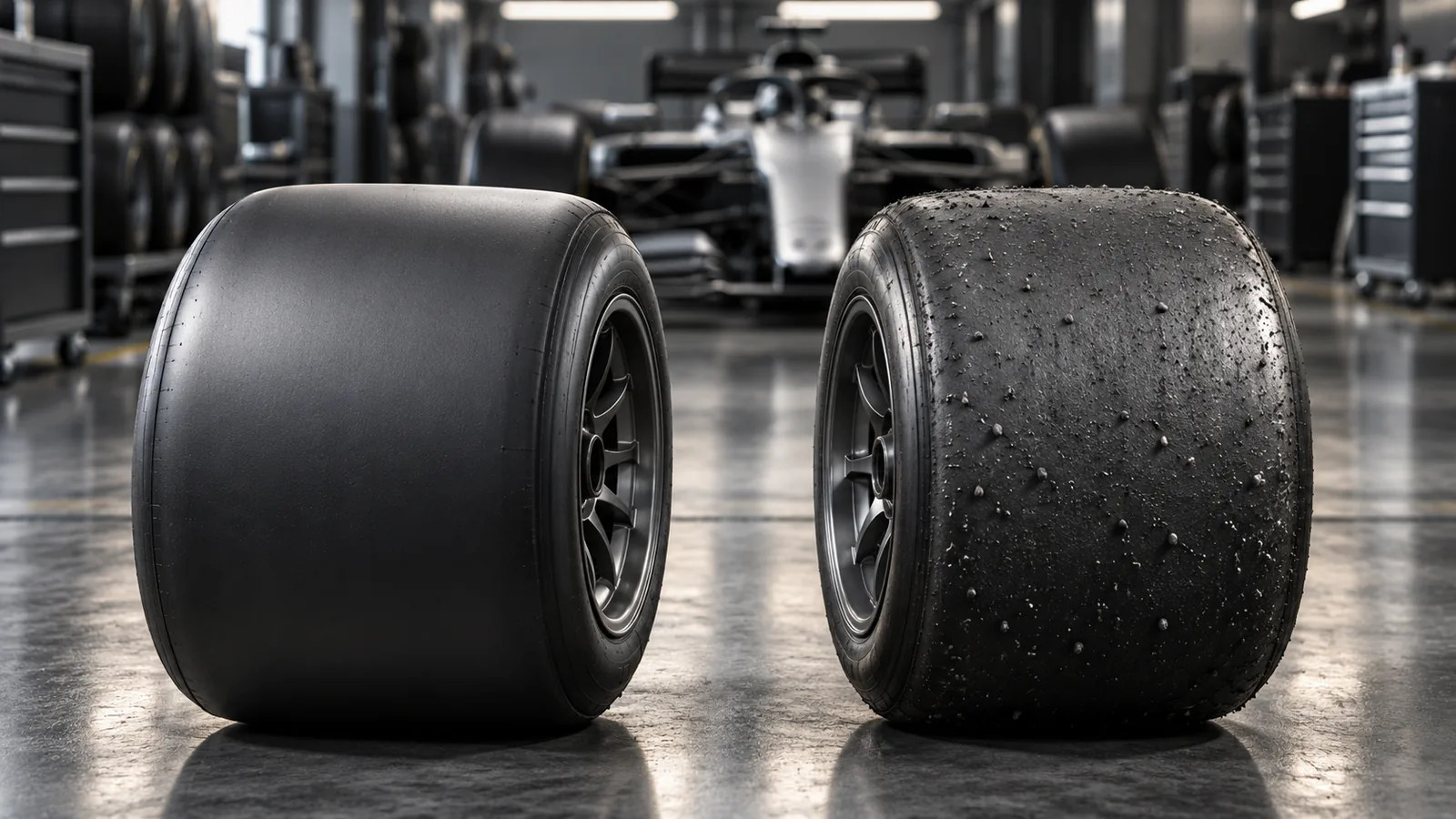
A common point of confusion during a Grand Prix arises when a car rejoins the track with several laps already registered against its tyres on official graphics. Understanding why F1 tyre age does not reset after a pit stop comes down to distinguishing between a physical set of tyres and the continuous run of laps in a stint. A pit stop records the start of a new stint, but tyre age tracks the cumulative life of the specific rubber fitted to the car.
Teams regularly fit scrubbed or previously run tyres during a race, including sets evaluated during earlier practice sessions or qualifying. If a set already completed installation or flying laps before being fitted in the race, those previous laps remain part of that set's total running history. A visit to the pit lane can also involve mechanical adjustments, front-wing angle tweaks, or damage repairs where the crew leaves the existing set in place, which naturally maintains the set's running age.
Compounds, Sets, and Regulation Checks
Broadcasting terms and regulations treat specifications and physical sets separately. Designations such as soft, medium, or hard refer to compound specifications rather than unique physical units. A team often possesses multiple physical sets of the same compound with entirely different run histories, meaning switching from one used soft set to another constitutes a tyre change without changing specification.
Under the 2026 FIA sporting regulations, strict rules govern allocated sets, tyre identification, and the precise moment fitted tyres are classified as used. However, being marked as used in the sporting ledger simply denotes administrative and regulatory status; it does not define the remaining grip level of the rubber.
Pace Beyond Age Figures
Assuming an older tyre set is automatically slower on the very next lap overlooks several dynamic track factors. Grip levels fluctuate with track surface evolution, operating temperatures, fuel burn-off, and traffic management. A freshly mounted set may require warm-up time to reach its ideal operating window, whereas an older set might stabilize or even gain competitive pace as graining cleans up across varying conditions.
Because tyre life varies widely across different circuit layouts, surface abrasiveness, and compounds, strategy evaluations must look past raw lap-count figures alone. Analysts must balance a set's past usage against surrounding track context, warming characteristics, and the baseline lap time required to recover pit-lane time loss.
Official reference: 2026 FIA Sporting Regulations, Section B, Issue 09.




No comments:
Post a Comment